


Page Under Maintenance
This page is currently under maintenance.
Please communicate at the hospital help desk for assistance.
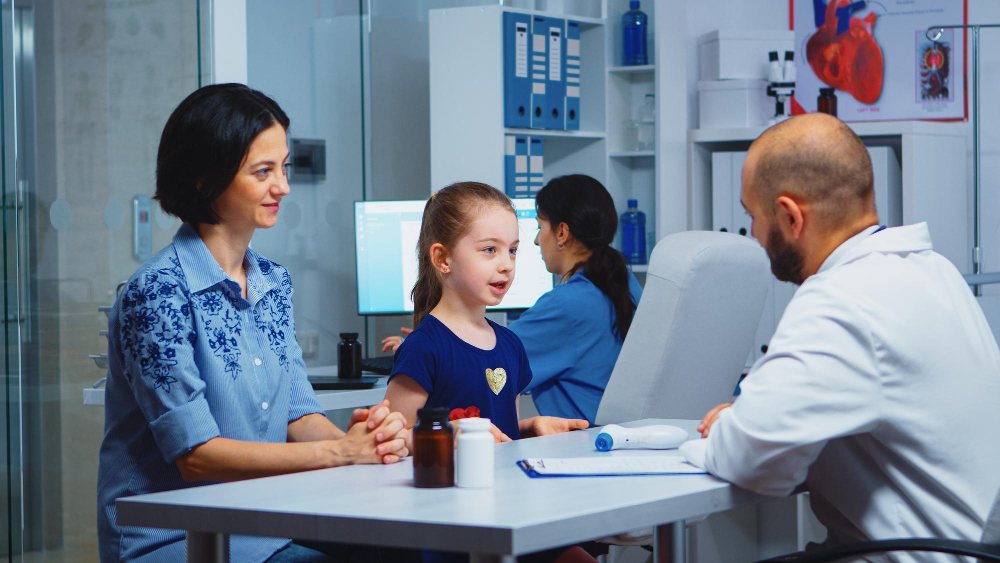
Every second counts when a youngster has a medical emergency. Parents frequently feel overburdened and uncertain about what to do in the event of an unforeseen injury, a strong allergic reaction, a sudden high fever, or breathing problems. When a single parent has a medical emergency or no one is available to assist with childcare, the situation becomes even more stressful.
Because circumstances like "Need to go to ER no babysitter" and "What happens if a single parent is hospitalized" might strike at any time, many parents regularly look for answers. Knowing where to get medical help, being prepared ahead of time, and comprehending emergency care protocols can all make a big difference in life-threatening situations.
This book will cover all the information parents need to know about pediatric emergency care, emergency preparation, and how to make sure their kids receive the best care available.
Children are more prone to mishaps, injuries, and unexpected illnesses because they are inherently energetic and inquisitive. A pediatrician can manage many health issues, but some illnesses need for emergency medical attention.
Any medical condition that poses a risk to a child's health, breathing, consciousness, or general well-being and necessitates immediate medical intervention is considered a pediatric emergency.
Typical pediatric crises consist of:
· Breathing difficulties or severe episodes of asthma
· Infants with high fevers
· Severe allergy responses
· Poisoning by accident
· Head trauma
· Seizures
· Severe Dehydration Burns
· Broken bones and fractures
· Incidents of choking
Early detection of these warning indicators can assist parents in seeking prompt treatment and averting consequences.
Choosing whether an illness needs emergency care or can wait for a routine doctor's appointment is one of the most frequent conundrums parents encounter.
You should never disregard breathing issues. If your kids are:
· Having trouble breathing
· Breathing quickly
· Wheezing noises
· Displaying bluish skin or lips
Get emergency medical attention right away.
A child may have a significant underlying problem that needs to be evaluated right once if they become unresponsive, lose consciousness, or are difficult to wake up.
Kids who go through:
· Significant falls and traffic accidents
· Deep cuts
· Possible fractures
· Trauma to the head
should be evaluated as quickly as possible in an emergency room.
In babies and infants, a fever may occasionally be a sign of a serious infection. Parents should get help right away if:
· A baby that is younger than three months old has a fever.
· Seizures accompany fever.
· The youngster becomes unresponsive or sluggish.
Allergic responses that are severe can worsen quickly. Symptoms could consist of:
· Facial or throat swelling
· Breathing difficulties
· Severe rashes on the skin
· Abrupt lightheadedness
In these circumstances, emergency care is essential.
Need to go to ER no babysitter is one of the main worries parents have in an emergency.
Rarely do medical emergencies occur at convenient times. A youngster may get sick on the weekends, late at night, or when there is no family assistance.
If the child visiting the emergency room is the one in need of treatment, bring:
· Documents of identification
· Health records
· Details of insurance
· List of current medications
· Contacts for emergencies
Instead of postponing care, concentrate on receiving medical attention right away.
When one child must be taken to the ER while the other stays at home:
· Speak with dependable family members.
· Speak with your trusted neighbors.
· Give your close buddies a call.
· Make use of pre-planned emergency childcare plans.
Because emergencies frequently happen without warning, preparation is crucial.
Every family ought to uphold:
· An emergency contact list
· Caretakers in reserve
· Contact details for emergencies at the school
· Details on each child’s health
During emergencies, having a written strategy lessens anxiety and uncertainty.
What happens if a single parent is hospitalized to the hospital is another major worry.
Emergency situations are particularly difficult for single parents because they are sometimes their children's only caregivers.
Hospitals typically advise parents to find dependable caregivers who can temporarily look after their child if a single parent is unexpectedly admitted.
These caregivers could consist of:
· Grandparents
· Siblings who are adults and relatives
· Close pals from the family
· Legal guardians
When needed, healthcare professionals may help arrange communication with family members.
Emergency contact information is frequently used by hospitals to assist in coordinating treatment for dependents.
Parents ought to make sure that:
· Regular updates are made to emergency contacts.
· Schools have correct data.
· In an emergency, trustworthy people are aware of their responsibilities.
Depending on local laws and family situations, temporary caring arrangements may need written consent for extended hospital stays.
If parents are worried about long-term emergency scenarios, they can speak with legal experts about temporary guardianship preparation.
Families can prepare ahead of time by knowing what happens if a single parent is hospitalized to the hospital.
Crucial preparations consist of:
· Keeping current medical records
· Maintaining access to emergency contact lists
· Talking to dependable family members about childcare arrangements
· Keeping crucial documents in a convenient place
These preventative actions help ease children's anxiety and guarantee their safety in the event of unanticipated medical emergencies.
When they arrive at the emergency room and witness other patients receiving treatment before them, many parents start to worry.
Triage is a procedure used in hospitals.
Patients are ranked according to the severity of their conditions rather than the time of arrival under the triage system.
For example:
· A child who is experiencing trouble breathing will get help right away.
· A youngster may have to wait longer if they have a small injury.
This strategy guarantees that the sickest patients get immediate care.
Emergency departments benefit from triage:
· Preserve lives
· Minimize issues
· Distribute resources wisely
· Boost patient results
Parents might be more tolerant and knowledgeable in difficult times if they are aware of this process.
The results of pediatric emergencies can be greatly impacted by the availability of high-quality emergency care.
When looking for Mumbai's top emergency hospital, parents should think about:
Children's medical demands are different. Complex pediatric cases are frequently better handled by hospitals with pediatric emergency specialists.
Find hospitals that provide:
· Emergency care available around-the-clock
· Intensive care units
· Advanced imaging for diagnosis
· Services for laboratories
Experienced medical teams are cooperative groupings of medical professionals, such as doctors, nurses, and allied experts, that collaborate to deliver all-encompassing patient care.
In order to provide successful care, skilled emergency physicians, pediatricians, nurses, and support personnel are essential.
Emergency services must be easily accessible. Think about hospitals that are:
· Easily accessible
· Open 24/7
· Capable of managing pediatric crises
When urgent care is required, choosing Mumbai's top emergency hospital in advance might save crucial time.
One of the best ways to keep kids safe in an emergency is to be prepared.
The following should be included in a family emergency plan:
Add:
· Family members
· Neighbors and
· Pediatricians
· Schools
Folder for Medical Information
Vendor:
· Records of immunizations
· Details of allergies
· Lists of medications and insurance details
Supplies for Emergencies
Maintain a basic emergency supply kit that includes:
· First aid supplies
· Essential drugs
· Crucial documents
· Phone numbers for emergencies
In case of an emergency, parents should designate a minimum of two reliable caretakers.
Families who are worried about circumstances like the need to go to the emergency room no babysitter or what happens if a single parent is hospitalized to the hospital should pay special attention to this preparedness.
Children's medical emergencies can be frightening, distressing, and unpredictable. Understanding hospital protocols, having a family emergency plan in place, and knowing when to seek emergency care can all make a big difference in dire circumstances.
Preparation is essential to safeguarding your child's health and safety, whether you're concerned about need to go to the emergency room no babysitter, wondering what happens if a single parent is hospitalized to the hospital, or looking for the top emergency hospital in Mumbai.
Parents may respond to unforeseen medical circumstances with confidence if they stay informed, keep up-to-date medical records, and develop trustworthy emergency support networks.
Q. What should I do if I need to go to the emergency room no babysitter?
Seek medical help right away if your child needs emergency care. If you need help with childcare, get in touch with dependable family members, neighbors, or emergency contacts.