


Page Under Maintenance
This page is currently under maintenance.
Please communicate at the hospital help desk for assistance.
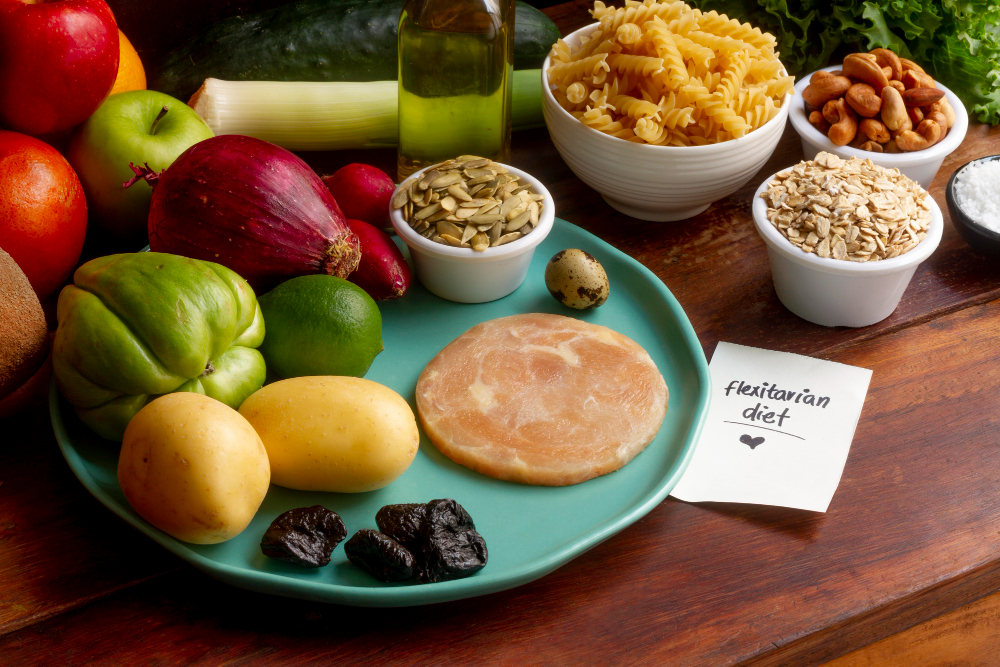
A gut-friendly Indian diet means eating more fibre, fermented foods, and home-cooked meals while cutting down on fried, sugary, and processed foods. This keeps your digestion smooth, reduces bloating, and lowers the risk of long-term gut problems. You don't need to give up Indian food to do this. You just need to eat it the right way.
Most digestive issues in India — acidity, bloating, constipation, IBS — are linked directly to diet. The good news is that Indian cuisine already has many gut-healing foods built into it. Curd, ghee, turmeric, and khichdi are not just comfort food. They are functional foods that support your gut lining and digestion.
This blog breaks down exactly what to eat, what to avoid, and how to structure your meals. We'll also cover warning signs that mean diet alone isn't enough, and when it's time to consult a specialist.
A gut-friendly diet feeds the good bacteria living in your intestines. These bacteria help digest food, make vitamins, and keep your immune system strong.
Three things matter most:
When these three are missing, the gut lining gets irritated. Over time, this shows up as bloating, irregular bowel movements, or acid reflux.
You don't need imported superfoods. Your own kitchen already has most of what you need.
|
Food |
Why It Helps |
|---|---|
|
Curd/Dahi |
Natural probiotic, aids digestion |
|
Buttermilk (Chaas) |
Cools gut lining, helps after heavy meals |
|
Khichdi |
Easy to digest, gentle on the stomach |
|
Ghee (in small amounts) |
Lubricates intestines, helps bowel movement |
|
Ragi, Jowar, Bajra |
High fibre, slow digesting |
|
Ajwain, Jeera, Saunf |
Reduce gas and bloating |
|
Bananas, Papaya |
Natural, gentle fibre sources |
|
Turmeric |
Anti-inflammatory, supports gut lining |
Idli, dosa batter, dhokla, and curd are all fermented. Fermentation breaks down food partly before you eat it, so your gut does less work. This is one reason South Indian breakfasts are easier on digestion than fried snacks.
Some everyday foods quietly damage gut health over months and years.
None of these need to be removed completely. The problem is frequency, not the food itself. Eating pakoras once a week is different from eating them daily.
Here is a simple structure you can follow without much planning.
Morning (empty stomach): Warm water, soaked methi or ajwain water Breakfast: Idli/dosa, poha, or vegetable dalia with curd Mid-morning: One fruit (banana, papaya, or apple) Lunch: Roti/rice, dal, sabzi, and a small bowl of curd Evening: Roasted chana, makhana, or buttermilk Dinner: Light khichdi or roti-sabzi, eaten 2-3 hours before sleep
Eating dinner early matters more than people realise. Late, heavy dinners are one of the biggest causes of acid reflux and poor sleep in Indian households.
Many people eat healthy food but at the wrong time. Eating a big lunch and skipping breakfast confuses your gut's natural rhythm. Try to keep meal times consistent, even on weekends.
Certain groups need a more structured gut-friendly diet, not just general tips.
If you fall into one of these groups, a one-size-fits-all diet plan often isn't enough. This is where a professional opinion becomes useful.
Diet can manage mild symptoms. But some symptoms need medical attention, not just dietary changes.
Watch out for:
If you notice any of these, don't wait it out. It's worth consulting the best gastroenterologist surgeon in Mumbai for a proper evaluation before the issue becomes harder to manage.
Diet changes work well for daily digestive comfort. But persistent or severe symptoms often point to something a food plan alone cannot fix. In such cases, getting checked by an experienced gastro surgeon in Mumbai early can prevent minor issues from turning into major ones.
Beyond food, these habits make a real difference:
None of these require money or special products. They just require consistency.
Keeping the right ingredients at home makes it easier to stick to a gut-friendly diet.
|
Category |
Items |
|---|---|
|
Grains |
Brown rice, jowar, bajra, whole wheat |
|
Dairy |
Curd, buttermilk, paneer (fresh) |
|
Vegetables |
Bottle gourd, spinach, pumpkin, carrots |
|
Fruits |
Banana, papaya, pomegranate |
|
Spices |
Jeera, ajwain, saunf, turmeric |
|
Pulses |
Moong dal, masoor dal |
Stock these, and most meals fall into place naturally without much extra effort.
Conclusion
A gut-friendly Indian diet isn't about following a strict foreign diet plan. It's about using what's already in your kitchen — curd, dal, khichdi, and simple spices — in the right way and at the right time. Small, consistent changes matter more than occasional strict dieting.
If symptoms persist despite these changes, don't self-diagnose for too long. An early consultation with a gastro surgeon in Mumbai can save months of discomfort and guesswork.
Relevant blog :- Exercises That Improve Digestive Health
Q1: Can I eat rice daily on a gut-friendly diet? Yes. Rice is easy to digest, especially for sensitive stomachs. Pair it with dal and vegetables for balance.
Q2: Is curd good every day, even in winter? Yes, in moderate amounts. If cold weather bothers you, have curd at room temperature or as buttermilk.
Q3: How long does it take to see results from diet changes? Most people notice less bloating and better bowel movements within 2-3 weeks of consistent changes.
Q4: Are probiotic supplements necessary if I eat curd daily? Usually not, unless a doctor recommends them for a specific condition. Food-based probiotics work well for most people.
Q5: When should I see a doctor instead of just changing my diet? If symptoms like pain, blood in stool, or weight loss continue for more than 2 weeks despite diet changes, consult a specialist without delay.