


Page Under Maintenance
This page is currently under maintenance.
Please communicate at the hospital help desk for assistance.
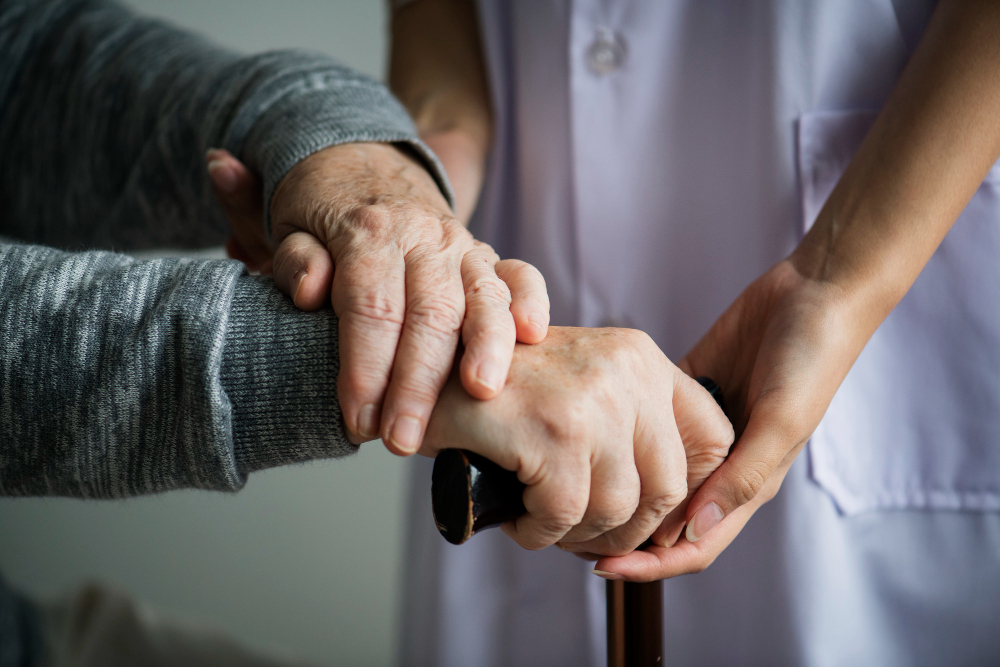
Parkinson’s disease (PD) is a degenerative neurological condition that impacts movement, balance, muscle control, and several non-motor functions. This happens as the brain's dopamine-producing nerve cells start to break down. Dopamine is a substance that helps ensure muscles move smoothly and in coordination. Parkinson’s disease, while more prevalent among older adults, can occur in individuals of different age groups, including those under 50 (known as young-onset Parkinson’s).
Detecting the condition at an early stage is crucial for alleviating symptom progression and enhancing long-term quality of life. By acknowledging the initial symptoms and comprehending the treatment options at hand, individuals and their caregivers are enabled to pursue timely medical assistance. This blog examines the initial symptoms, risk factors, diagnostic methods, and existing as well as upcoming treatment options for Parkinson's disease.
Although Parkinson's disease is categorized as a movement disorder, it affects far more than just physical mobility. It usually develops slowly and deteriorates over time. Due to the fact that its initial symptoms are minor and can easily be confused with normal aging or tiredness, a lot of people do not get diagnosed until the disease has advanced considerably.
Researchers have not pinpointed a single cause, it is thought that PD arises from complex interactions among genetic, environmental, and age-related factors. Although a cure has not yet been found, there are several therapies that can manage symptoms effectively and enhance quality of life.
The initial manifestations of Parkinson’s differ from person to person and can occur several years prior to the onset of observable motor issues. Being able to identify these indicators may result in a diagnosis that comes sooner and a more successful intervention.
One of the most recognized early indicators of Parkinson's disease is tremors. They frequently begin in a subtle manner, like a slight tremor in one hand or fingers while at rest (referred to as a resting tremor). During intentional movement, the tremor may lessen, while it may worsen when the muscles are at rest.
Common indications include:
Bradykinesia is a defining characteristic of Parkinson’s. People might observe:
Initially, this slowness may seem insignificant, but it gradually affects daily activities like buttoning clothes, writing, and cooking.
Muscle stiffness can develop in any area of the body, potentially restricting motion range. This stiffness is often attributed to aging or arthritis, but in Parkinson’s, it arises with:
Micrographia, characterized by handwriting that is noticeably small and cramped, is one of the lesser-known early indicators of Parkinson's. Letters can cluster or reduce in size within a sentence.
Mild balance issues may occur in individuals, even in the early stages, as a result of reduced reflexes. They might feel unsteady, experience more frequent trips, or struggle with making tight turns.
Individuals with Parkinson's may experience a diminished capacity to convey emotions via facial expressions. This may manifest as:
A voice that is softer, hoarse, or of a single tone may develop. Loved ones may notice the person sounds quieter or less expressive.
Parkinson’s disease impacts the parts of the brain responsible for regulating sleep. Initial symptoms can consist of:
These problems can start years prior to the onset of motor symptoms.
A diminished ability to smell may indicate the onset of Parkinson’s at a very early stage. Chronic smell loss, when not associated with nasal problems, is a significant indicator, even though it is common in colds or sinus issues.
Due to the disease’s impact on the autonomic nervous system, digestive changes—particularly persistent constipation that is not linked to diet, stress, or medication—can manifest early on.
While the precise cause is still not fully understood, various elements heighten the likelihood of developing PD:
Comprehending these elements aids individuals in remaining proactive regarding screening and lifestyle changes.
It is impossible to definitively diagnose Parkinson’s with a single test. Rather, diagnosis relies on:
Medical professionals might also utilize imaging instruments such as:
Patients can start treatment that slows symptom progression and maintains quality of life with an early diagnosis.
Even though there is no cure for Parkinson’s disease, existing treatments are effective in managing symptoms. The appropriate combination varies from person to person and can change as the condition develops.
The main strategy for treatment continues to be medication. The options that are prescribed most frequently include:
Parkinson’s treatment relies on levodopa as the gold standard. When paired with carbidopa, it transforms into dopamine in the brain, aiding in the enhancement of movement. It is highly effective for alleviating:
They replicate dopamine’s impact on the brain. In the early stages of PD, they are often used, or they are combined with levodopa later on.
DBS is a sophisticated surgical option suggested for those whose medications have become ineffective. This method includes the insertion of electrodes into certain regions of the brain in order to control irregular signals.
Benefits include:
While DBS is not a cure, it provides long-term symptom management for appropriate candidates.
Changes to one’s lifestyle can provide significant support for medical treatment:
These habits improve overall well-being and lessen the severity of symptoms.
Researchers are still investigating novel methods to reduce or stop the advancement of Parkinson’s, such as:
Although they hold promise, these options are still being researched and are not widely accessible.
A diagnosis of Parkinson’s presents emotional and physical challenges; however, with the right support, many individuals continue to lead fulfilling lives. Timely diagnosis, regular medical treatment, and preemptive lifestyle decisions can make a major difference in the quality of life.
Support from family, therapy, and community groups are also crucial in assisting individuals as they navigate their journey with the disease.
For those in search of professional diagnosis, sophisticated treatment, and empathetic long-term management of Parkinson’s disease, Jaslok Hospital in Mumbai is among the most reliable options. The hospital guarantees individualized and evidence-based treatment for each patient, thanks to its highly skilled team of neurologists, cutting-edge neurodiagnostic resources, and all-encompassing rehabilitation services. Jaslok Hospital offers exceptional neurological support, from initial symptom assessments to cutting-edge treatments such as Deep Brain Stimulation, empowering patients to handle Parkinson’s disease with dignity, confidence, and optimism