

Page Under Maintenance
This page is currently under maintenance.
Please communicate at the hospital help desk for assistance.
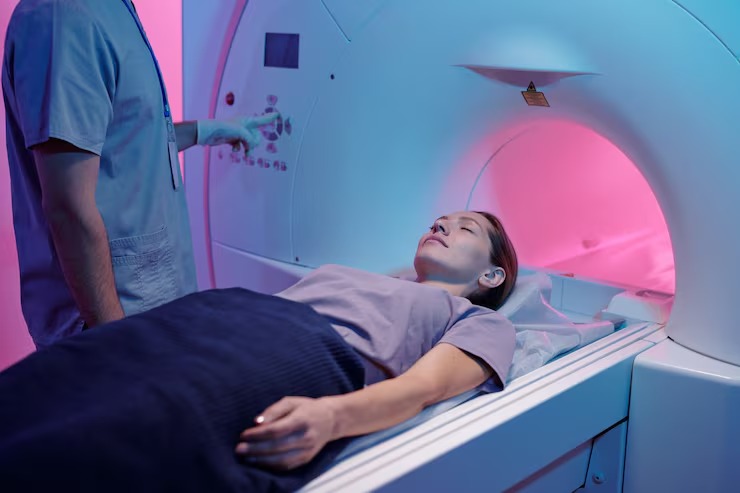
When people first hear that they need radiation therapy, it often comes with fear, confusion, and dozens of unanswered questions. Modern radiation oncology has advanced drastically, making treatments safer, more precise, and far easier to tolerate. This detailed guide answers the most common concerns patients have, helping families understand what to expect during the cancer care journey.
Radiation therapy forms the backbone of many modern cancer treatments. Before starting therapy, most patients want to know how it works, what machines are used, and how it actually affects the body. These foundational questions help build confidence and reduce anxiety as treatment begins.
Radiation therapy is a medical procedure that uses high-energy beams to target and destroy cancer cells. In cancer care in India, this treatment has become widely accessible thanks to advanced technologies and improved hospital infrastructure. Modern machines direct radiation precisely at the tumor while protecting surrounding healthy tissues.
Radiation works by damaging the DNA of cancer cells, preventing them from reproducing. Unlike healthy cells, which repair damage more efficiently, cancer cells cannot recover and eventually die off. The process happens gradually, meaning tumors shrink over days or weeks rather than immediately. With the latest radiotherapy machines.
Radiation therapy has been used for decades and has evolved significantly due to technological advancements. Today, it is considered one of the safest cancer treatments available when performed under expert supervision. The machines deliver controlled doses that are carefully calculated to maximize results while reducing risks.
Before beginning therapy, patients often seek reassurance about safety, pain, and how their life will change. These concerns are completely natural and important to understand so that the journey feels more manageable and less overwhelming.
One of the biggest fears patients express is whether radiation hurts. The truth is that radiation therapy itself is completely painless. You cannot feel the beams entering the body, and the sessions usually feel similar to a routine scan. Any discomfort that occurs during the treatment process usually comes from lying still on the treatment table, not the radiation itself.
India has made tremendous progress in the field of radiation oncology, adopting globally approved machines and protocols similar to those used in advanced international cancer centers. Hospitals today use sophisticated planning systems to calculate doses that are both safe and effective. Multiple safety checks ensure that only the targeted cancer area receives radiation while healthy organs are protected.
Modern radiotherapy machines are designed to deliver treatments with millimeter-level accuracy. These machines use imaging technologies to confirm the tumor’s position before each session, ensuring precision even if the patient has moved slightly. Many machines are also equipped with real-time tracking, allowing them to follow tumors affected by breathing or body movements.
Once treatment begins, patients start wondering about side effects, lifestyle changes, and how daily routines may be affected. Understanding what happens during the treatment phase helps patients stay prepared and better supported.
Side effects depend on the area being treated, the dose, and the person’s overall health. Most side effects are mild and temporary, appearing gradually over several sessions. Patients may experience fatigue, slight skin irritation, or localized hair loss in the treated area. Unlike chemotherapy, radiation does not affect the entire body. Modern machines reduce risks significantly.
Many patients choose to continue working while undergoing radiation therapy, as treatments are usually short and scheduled once a day. However, fatigue can vary from person to person. Some feel only mildly tired, while others may require rest breaks during the day. Doctors usually advise maintaining a flexible schedule and avoiding heavy physical labor.
Maintaining a healthy routine helps improve tolerance to radiation therapy. Patients are encouraged to eat balanced meals, rest adequately, and stay physically active through gentle exercises like walking. Avoiding smoking and alcohol is extremely important, as they can interfere with treatment effectiveness and slow down recovery.
Patients often have deeper scientific questions about techniques, technologies, and machine accuracy. These questions reflect a natural desire to understand how radiation works on a technical level.
There are several types of radiation therapy used depending on the cancer location and stage. External beam radiation therapy is the most common, where beams are delivered from outside the body. Techniques like IMRT and IGRT provide high precision, while SBRT delivers strong doses in fewer sessions. Proton therapy uses proton particles instead of X-rays, reducing exposure to healthy tissues.
Today’s radiotherapy machines in India achieve remarkable accuracy thanks to advanced software and imaging systems. Before each session, scans verify the tumor’s exact location, making adjustments if needed. This real-time imaging ensures consistent precision even if the tumor moves due to breathing.
Artificial intelligence plays a major role in modern radiation oncology by helping doctors plan treatments more efficiently. AI systems analyze patient scans and generate optimized treatment plans that target tumors more precisely. This reduces the time doctors spend on calculations and improves consistency across patients. AI also predicts how tissues will respond to radiation, helping to minimize risks.
Once radiation sessions end, patients enter the recovery phase, where healing continues slowly. Many wonder how long recovery takes and what follow-up care looks like.
Recovery varies depending on the treatment area and individual health. Many patients feel significantly better within a few weeks, though some mild fatigue or skin irritation may linger. The body gradually repairs the effects of radiation, and energy levels return to normal. Emotional recovery is equally important, and patients often feel a sense of relief once the treatment ends.
Follow-up care is essential to monitor progress and ensure that the cancer has responded well. Doctors schedule routine checkups involving scans such as CT, MRI, or PET scans. Blood tests may also be conducted to evaluate organ functions. These follow-ups help identify any long-term effects early and provide reassurance for patients and families. Regular monitoring is a vital part of long-term cancer care.
Even after completing therapy, some symptoms may appear as part of the natural healing process. Mild fatigue, skin dryness, or changes in appetite are relatively common. However, persistent symptoms like unusual pain, swelling, or unexplained weight changes should be discussed with the doctor. Early reporting helps ensure timely management and smoother recovery.
Cancer treatment is not just a physical experience, it deeply affects emotional well-being. Patients and families often need additional support during this time.
Emotional stress is completely normal during radiation therapy. Many patients find comfort in speaking with counselors, joining support groups, or connecting with others going through similar journeys. Mindfulness practices such as meditation and deep breathing can reduce anxiety. Emotional well-being often improves when patients understand the treatment process clearly and feel supported by family and caregivers.
India has seen significant growth in support systems for cancer patients. Many hospitals now offer psychological counseling, nutritional guidance, and physiotherapy as part of comprehensive cancer care. Nonprofit organizations often conduct community programs, awareness workshops, and financial assistance initiatives.
Family involvement plays a major role in improving a patient’s emotional resilience. Knowing that loved ones are present provides comfort and encouragement. Family members help with daily tasks, accompany patients to appointments, and offer valuable emotional support. This sense of connection helps reduce stress and improve overall treatment outcomes.
Financial planning is a major concern for families preparing for radiation therapy. Understanding the factors that influence cost can reduce uncertainty and help with decision-making.
The cost of radiation therapy in India varies widely based on hospital type, city, and treatment technology. Advanced techniques like IMRT, IGRT, and SBRT are more expensive due to the equipment and planning involved. Proton therapy, offered in select hospitals, is the costliest but provides exceptional precision.
Multiple factors influence the overall cost, including the number of sessions required, the machine used, and the complexity of the treatment plan. Highly advanced machines deliver better precision but also require significant investment, which affects pricing. The doctor’s expertise, hospital reputation, and additional services like imaging or follow-up consultations can also contribute to the cost.
While major metropolitan cities like Mumbai, Delhi, Chennai, and Bengaluru have the most advanced radiation facilities, access is rapidly expanding across smaller cities. Many regional cancer centers now offer modern treatments, reducing the need for long-distance travel. Government initiatives and healthcare investments are helping improve accessibility, bringing advanced cancer care to more communities.
Related: Advances in Radiation Therapy: How Technology is Improving Outcomes
radiation therapy has become one of the most reliable and effective cancer treatments available today. With advancements in radiation oncology, improved machine precision, and growing accessibility, patients in India and around the world can undergo treatment with confidence. Understanding what to expect, from preparation to recovery, empowers patients to make informed decisions and feel more in control of their journey. With strong support systems, modern technologies, and expert care, radiation therapy continues to offer hope, healing, and improved outcomes for millions