


Page Under Maintenance
This page is currently under maintenance.
Please communicate at the hospital help desk for assistance.
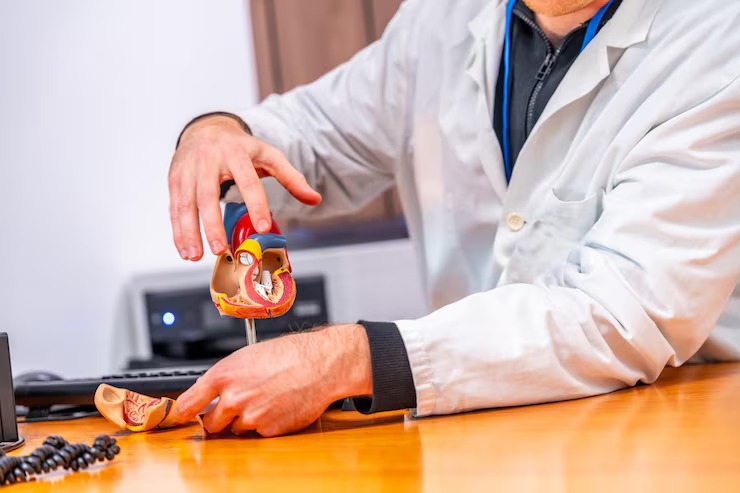
Severe aortic stenosis is a life-threatening heart ailment that restricts blood flow from the aorta to the rest of the body. Open cardiac surgery was the only effective treatment for a long time. However, the introduction of Transcatheter Aortic Valve Implantation (TAVI) has transformed cardiac therapy. Today, thousands of patients, especially older persons or those labeled “high-risk”, choose TAVI because it offers a safer, quicker, and less intrusive technique to replace the aortic valve.
In this extensive guide, we cover TAVI risks and benefits, discuss why the technique has altered cardiovascular care, and highlight how patients can get the TAVI treatment.
TAVI is a minimally invasive method that replaces a damaged aortic valve without requiring open heart surgery. Instead of opening the chest, cardiologists put a catheter into an artery in the leg or chest and replace the current valve.
This makes TAVI a great choice for:
The treatment has altered cardiac care by allowing patients to undergo valve replacement with less fear, less downtime, and dramatically improved long-term outcomes.
The primary advantages of TAVI (Transcatheter Aortic Valve Implantation) are a minimally invasive treatment that involves only a minor incision rather than major open-heart surgery, resulting in faster recovery times, shorter hospital stays, and less pain. It also provides an option for people at high risk of open-heart surgery and greatly improves the quality of life by alleviating symptoms such as shortness of breath and exhaustion.
One of the main advantages of TAVI is that it eliminates the need for traditional open-heart surgery. This means:
TAVI causes much less harm to the body because it is performed through a catheter. Additionally, individuals with numerous comorbidities or elderly adults benefit greatly from this minimally invasive procedure.
Compared to surgical valve replacement, TAVI recovery is notably faster. In two to three days, the majority of patients are able to return home, and many return to their regular activities in a few weeks.
Faster healing occurs due to:
One of the most alluring TAVI risks and benefits is a quicker recovery; although there are some concerns, the benefits of recovery are indisputable.
TAVI has been demonstrated to have fewer problems for high-risk patients, despite the hazards associated with any treatment. Some minimized complications include:
These benefits are especially important for older folks or weak patients who may not handle open-heart surgery effectively. When considering TAVI risks and benefits, medical experts note that the minimally invasive aspect makes TAVI substantially safer for many individuals.
Patients with aortic stenosis often suffer from:
Blood flow significantly improves once the new valve is installed, frequently resulting in instant relief. Studies demonstrate that most TAVI patients experience:
One of the main advantages that persuades patients to choose TAVI over conventional surgery is this.
Many people are rejected open-heart surgery because they are too elderly, too frail, or have medical conditions that make the procedure too hazardous. TAVI provides hope to these sufferers.
Benefits include:
It is one of the few cardiac treatments intended exclusively for individuals who have no other surgical options.
Global clinical research has demonstrated remarkable long-term outcomes for TAVI patients. Many patients encounter:
This long-term effectiveness has positioned TAVI as one of the most reliable and favored heart treatments today.
Even though TAVI is safe, understanding the dangers is vital. The most common possible concerns include:
However, for the majority of patients, the benefits outweigh the risks when compared to the main advantages, which include shorter recovery times, a minimally invasive procedure, and increased survival.
By providing a safe, minimally invasive, and very successful substitute for conventional valve replacement surgery, TAVI has revolutionized the field of cardiac care. It is a great option for older and high-risk patients due to its many advantages, which range from shorter recovery times to better quality of life. Understanding TAVI risks and benefits helps individuals make informed decisions about their heart health. Patients can get top-notch care, cutting-edge equipment, and skilled specialists committed to enhancing their cardiac health at first-rate medical facilities that provide the top TAVI treatment in Mumbai.
Yes, for older or high-risk patients, TAVI is safer, less intrusive, and enables faster recovery.
Most patients recover within 1–2 weeks and resume normal activities rapidly.
Benefits include shorter recovery time, less invasive therapy, and symptom relief. Vascular injury, the need for a pacemaker, or a small stroke are all potential risks.