


Page Under Maintenance
This page is currently under maintenance.
Please communicate at the hospital help desk for assistance.
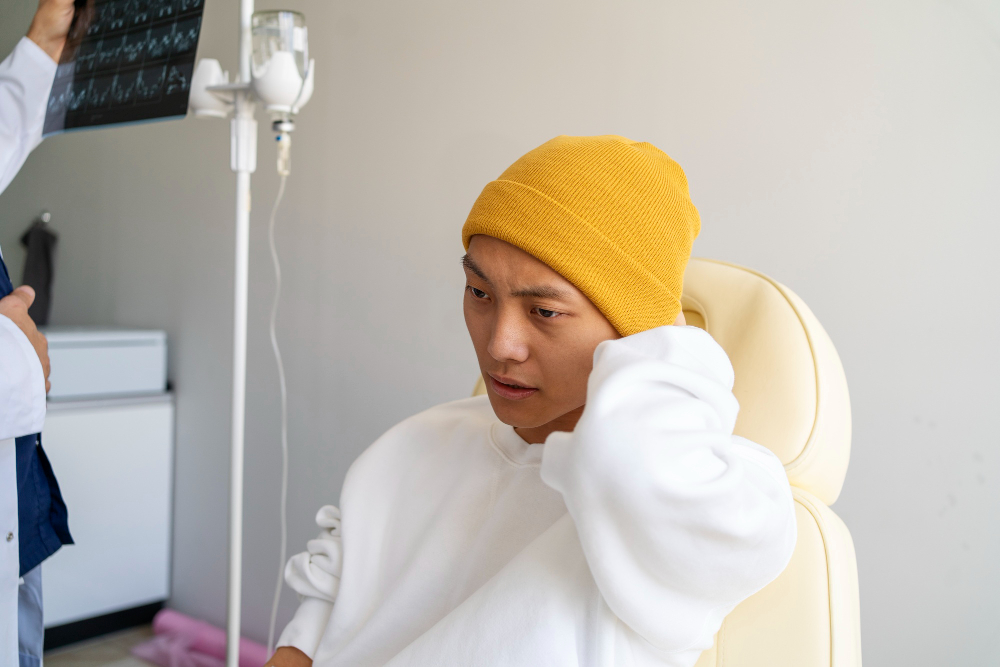
Treatment for cancer is a difficult process that has an impact on the body and the mind. Fatigue is one of the most prevalent and upsetting side effects of cancer treatment. Chemotherapy-related fatigue does not go away after a restful night's sleep, in contrast to normal fatigue. It can lower a patient's general quality of life and make even basic daily tasks feel taxing.
This is another question that many family members and caregivers have. Because chemotherapy affects healthy cells, blood counts, nutrition, and emotional well-being, excessive fatigue is also prevalent after treatment, even if greater sleep might occur during advanced stages of cancer.
Patients can recover more quickly, have more energy, and remain independent during treatment if they comprehend the causes of chemotherapy fatigue and learn how to overcome weakness after chemotherapy.
Chemotherapy fatigue is a chronic state of mental, emotional, and physical tiredness brought on by cancer treatment. It differs from regular fatigue in that it is frequently not alleviated by rest alone.
Chemotherapy weariness is commonly described by patients as:
· Feeling worn out after not doing much
· Having trouble focusing
· Insufficient drive
· Strong muscles
· Diminished physical power
· Requiring numerous naps during the day
Fatigue can start soon after chemotherapy treatments and last for weeks or even months after the course of treatment.
Chemotherapy drugs kill cancer cells that divide quickly, but they can also harm healthy cells all across the body. Numerous bodily systems and organs are severely stressed by this.
Healthy blood cell formation is frequently decreased by chemotherapy.
Anemia, which reduces oxygen transport throughout the body, can be brought on by lower red blood cell counts. Consequently, patients may encounter:
· Weakness
· Breathlessness
· Lightheadedness
· Persistent exhaustion
One of the main causes of extreme fatigue during chemotherapy is anemia.
Following chemotherapy, the body fights cancer cells while continuously repairing damaged healthy tissues.
Even if patients haven't engaged in any physical activity, this healing process demands a substantial amount of energy, leaving them feeling worn out.
Many chemotherapy medications lead to:
· Vomiting and nausea
· Mouth ulcers
· Changes in taste
· Having trouble swallowing
These adverse consequences cause people to eat less, which lowers their consumption of calories and protein. Muscles deteriorate and energy output falls in the absence of sufficient nourishment.
Chemotherapy frequently interferes with normal sleep at night, even if patients may sleep more during the day.
Typical causes include of:
· Pain
· Anxiety
· Steroid-containing drugs
· Regular urination
· Heat waves
· Adverse drug reactions
Persistent weariness is a result of poor sleep quality.
Having cancer can result in:
· Anxiety
· Depression
· Fear
· Emotional tiredness
In addition to depleting energy, mental stress can exacerbate physical exhaustion.
Patients may exhibit a variety of symptoms, such as:
· Persistent fatigue
· Even after sleeping, feeling weak
· Having trouble ascending stairs
· Decreased ability to tolerate exercise
· Having trouble concentrating
· Issues with memory
· Insufficient drive
· Weakening of the muscles
· Sleepiness during the day
· Emotional tiredness
Depending on the type of cancer, chemotherapy medications, general health, and nutritional status, the severity varies from person to person.
Many people seek how to overcome weakness after chemotherapy because the recovery process can be slow. Fortunately, various evidence-based treatments can help rebuild strength gradually.
Protein aids in the healing of tissues harmed by chemotherapy.
Excellent options consist of:
· Eggs
· Beans
· Lentils
· Fish
· Chicken
· Greek yogurt
· Paneer
· And tofu
Large meals are frequently more difficult to tolerate than small, regular meals.
Fatigue is made worse by dehydration.
Unless their doctor instructs them otherwise, patients should consume enough water throughout the day.
Among the healthy choices are:
· Water
· Water from coconuts
· Soups
· Fresh fruit juices (if suitable)
· Solutions for oral rehydration
While resting is vital, excessive inactivity can exacerbate weakness.
Physicians frequently advise:
· Strolling
· Stretching lightly
· Yoga
· Deep breathing techniques
· Mild strength training
Stamina can be steadily increased with even 15 to 20 minutes of mild exercise each day.
Good sleep practices consist of:
· Sleeping at regular intervals
· Restricting naps during the day
· Caffeine reduction
· Maintaining a calm and cozy bedroom
· Refraining from using screens right before bed
Reduced daytime weariness is frequently a result of better sleep.
Treatable disorders like these can cause weakness:
· Anemia
· Thyroid conditions
· Deficits in vitamins
· An infection
· Imbalance of electrolytes
Frequent blood tests assist in identifying these problems.
Techniques for managing stress could include:
· Practicing meditation
· Counseling
· Groups of support
· Activities for relaxation
· Spending time with those you love
Physical recovery is significantly influenced by emotional well-being.
These days, a lot of hospitals provide cancer rehabilitation programs that include:
· Physical therapy
· Nutritional guidance
· Occupational therapy
· Psychological assistance
Patients can regain independence faster with the aid of these interdisciplinary programs.
During cancer treatment, nutrition is crucial.
Among the meals that boost energy are:
Enhances immunological response and muscle regeneration.
For instance:
· Fish
· Eggs