


Page Under Maintenance
This page is currently under maintenance.
Please communicate at the hospital help desk for assistance.
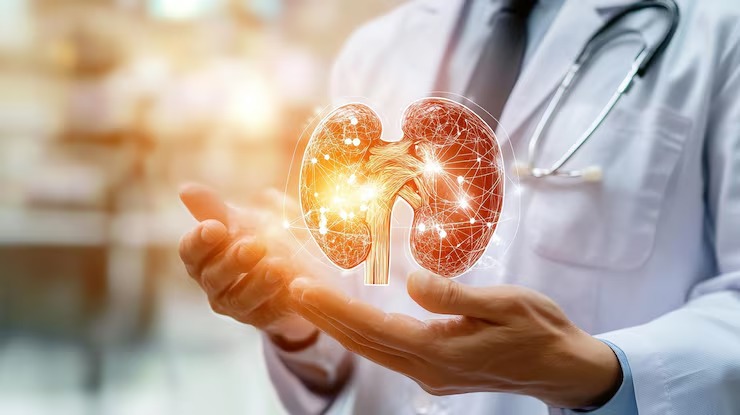
Patients with end-stage renal disease (ESRD) frequently benefit from kidney transplantation. Donor matching continues to be one of the most important variables for transplant success, even though surgical skill and post-transplant care are crucial. In addition to increasing survival chances, a well-matched donor lowers the risk of complications, rejection, and long-term health problems.
Particularly for patients seeking treatment at a kidney hospital it is crucial to comprehend the kidney donor procedure, compatibility testing, and the significance of selecting the correct medical team.
Strict donor-recipient matching is necessary for a successful transplant, with an emphasis on HLA tissue types, blood type compatibility (A, B, AB, and O), and crossmatching to reduce immunological rejection.
When a person's kidneys are no longer able to operate properly on their own, a kidney transplant is advised. Individuals that could need a transplant include:
Compared to lifelong dialysis, transplantation provides a higher quality of life for these people.
The medical procedure used to make sure a kidney donor and recipient are compatible is known as "donor matching." Rejection and post-transplant problems are less likely the closer the match is.
Matching is concerned with:
It significantly lowers the chances of transplant rejection and serious consequences by ensuring the donor's cells or organs are compatible with the recipient's immune system.
Strict adherence to lifetime immunosuppressive medication, frequent medical monitoring, and a healthy lifestyle are essential for lowering the chance of organ rejection. Important tactics include taking immune-suppressive drugs as directed, going to all follow-up appointments, getting pre-transplant matching (blood/tissue), and utilizing cutting-edge treatments like plasma exchange.
A kidney that is poorly matched may be attacked by the recipient's immune system because it is perceived as a foreign object. By minimizing immunological reactions, proper donor matching lowers the chance of either acute or chronic rejection.
A well-matched donor considerably increases the living donor kidney transplant success rate, ensuring:
The patient will live a longer, healthier life as a result.
Entails a comprehensive strategy that combines regular exercise, stringent medicine adherence, and lifestyle changes to manage long-term health, especially for kidney patients.
Patients benefit from successful donor matching:
For the greatest results, skilled transplant teams under the direction of Mumbai's best nephrologist place a strong emphasis on donor compatibility.
For end-stage renal disease, living donor kidney transplants are frequently the recommended course of therapy because they provide better long-term results, 15–20 year graft survival, and shorter waiting lists than deceased donor transplants.
A medical operation in which a healthy individual willingly gives one of their two kidneys to a patient suffering from end-stage renal disease (ESRD).
In a living donor kidney transplant, a healthy person gives one kidney to a recipient. The donor may be:
Transplants from living donors frequently produce better results than those from deceased donors.
The safety of donors is of utmost importance. To guarantee appropriateness, several tests are carried out.
At Mumbai's best nephrology hospital, these thorough assessments are standard, guaranteeing top-notch donor treatment.
Every test guarantees:
The 1-year graft survival rate for living donor kidney transplants is between 95 and 98 percent. In the long run, these kidneys frequently surpass deceased donor kidneys by functioning for 12 to 20 years. With 5-year graft survival rates frequently surpassing 90–92%, they provide better patient survival.
With 1-year patient survival rates sometimes surpassing 90–95% for both liver and kidney surgeries, living donor transplants are very successful and frequently produce better long-term results than deceased donor transplants.
The success rate for living donor kidney transplants is much higher than that of deceased donor transplants. In average:
Shorter wait times and improved donor matching are the reasons behind these remarkable figures.
Selecting nephrologist can significantly improve results.
Potential donors may be friends, relatives, or complete strangers, and they must be over the age of eighteen and in generally good health (no diabetes, cancer, or uncontrolled hypertension).
Patients seeking a kidney donor should:
To help families through the procedure, the majority of prestigious hospitals offer donor counseling programs.
To stop organ trafficking, India has stringent transplant regulations. Every pair of donors and recipients needs to:
Moving away from straightforward blood type and HLA (Human Leukocyte Antigen) compatibility and toward national-scale, non-simultaneous exchanges, artificial intelligence (AI), and precision medicine.
Medical developments such as:
are giving patients all over the world fresh hope by making transplants safer and more accessible.
Related: Signs You Should See a Kidney Specialist
The foundation of a successful kidney transplant is donor matching. It is impossible to overestimate the significance of a well-executed kidney donor procedure, from reducing rejection to improving long-term survival. Patients now have greater prospects than ever because to increased awareness, cutting-edge diagnostics, and skilled care at a nephrology hospital.
If you or a loved one are looking seeking a kidney donor, a nephrologist can help you safely navigate every stage of this life-changing journey.
In order to properly donate a kidney, the kidney donor procedure entails medical examinations, compatibility testing, psychological testing, and minimally invasive surgery.
Over 95% of living donor transplants are successful in the first year, and they have great long-term results.
A skilled nephrologist guarantees precise donor matching, lowers the chance of rejection, and offers thorough post-transplant care.