


Page Under Maintenance
This page is currently under maintenance.
Please communicate at the hospital help desk for assistance.
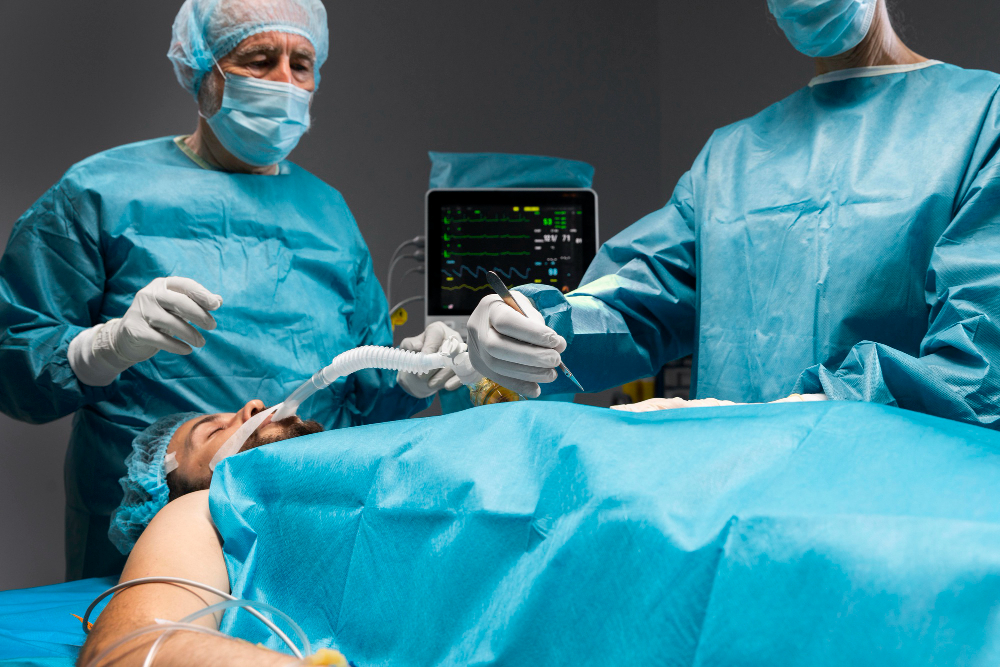
After Laparoscopic Surgery, How Many Days Rest? A Complete Guide to Recovery and Healing
Laparoscopic surgery, commonly referred to as minimally invasive surgery, has transformed the medical field within the past 20 years. For quicker recovery and fewer risks, laparoscopic techniques are now the recommended option for everything from gallbladder removal to hernia repair, appendectomy, and gynecological procedures. "After laparoscopic surgery, how many days rest?" is a regular question from patients, demonstrating how popular and widely accepted these procedures have become.
Laparoscopy results in less discomfort, smaller incisions, less tissue damage, and a quicker return to regular activities than standard open surgery. To guarantee they obtain top-notch care, many people now choose to speak with a laparoscopic surgeon.
Everything you need to know about the advantages of laparoscopic surgery, recovery schedules, variables influencing the length of rest, and the significance of selecting a skilled surgeon is covered in this comprehensive blog.
Laparoscopic surgery, often known as minimally invasive or "keyhole" surgery, involves making tiny incisions to operate on the belly or pelvis using a laparoscope, a thin tube equipped with a camera and light.
The minimally invasive approach is a surgical method that causes less tissue damage than open surgery by using tiny incisions, specialized tools, and a camera.
Instead of making one big cut, laparoscopic surgery requires two to four tiny incisions. Surgeons introduce the following through these tiny openings:
The surgeon can carry out precision-based surgeries without accessing the entire area thanks to the camera's video feed, which provides a magnified picture of the surgical site.
Hernia repair, appendectomy (removal of the appendix), and cholecystectomy (removal of the gallbladder) are examples of laparoscopic surgery.
Today, a variety of procedures are performed using laparoscopy, such as:
As technology advances and surgeons become more skilled, the list keeps becoming longer.
Due to a number of important advantages, laparoscopic surgery, also referred to as "keyhole" or minimally invasive surgery, promotes a far quicker recovery than conventional open surgery.
The main advantages of minimally invasive surgery (MIS), such as laparoscopic and robotic treatments, are smaller incisions and less scarring.
The small incisions made during laparoscopic surgery—typically 0.5–1 cm as opposed to 6–12 cm during open surgery—are one of its biggest benefits. Reduced incisions indicate:
Additionally, this is cosmetically pleasing, particularly for younger patients or procedures in places that are visible.
"Significantly Less Pain" describes a significant decrease in the level of pain and any accompanying suffering or functional limitations.
Patients have significantly less pain after surgery when there is little tissue damage. This enables quicker movement and lowers the dangers of extended bed rest, including:
The majority of patients go back home in less than a day.
The body heals faster with less incisions and less trauma. Many patients return to work or their usual habits after 3-7 days.
The subject of how many days rest after laparoscopic surgery is commonly posed.
Rest period varies depending on the type of operation, most patients require 3-10 days of recovery time before returning to normal activities.
To reduce the risk of infection, maintain good hygiene, get vaccinated, and adhere to safe food and air quality guidelines. Wash your hands frequently, cover coughs and sneezes, stay at home while unwell, and cook food to the right temperature.
The danger of infection is significantly decreased because to the small incisions and restricted internal organ exposure. This is one of the reasons why patients seeking safe operations with few consequences are frequently referred to a laparoscopic surgeon.
Several tactics, including the use of short-stay units for brief hospital stays, the implementation of improved recovery programs with standardized protocols and early mobilization, and the optimization of discharge planning, can result in a shorter hospital stay.
The majority of patients who have laparoscopic surgery are released:
Reduced stress and fewer medical costs are two benefits of shorter hospital stays.
Incorporate brief bursts of action throughout the day, such as stretching and stair climbing, utilize the stairs rather than the elevator, park farther away, and perform little exercises during periods of inactivity, such as calf lifts while brushing your teeth or walking while on the phone, to get back to your regular activities more quickly.
Within hours following surgery, patients are able to walk. Healing is accelerated and blood circulation is improved by this early mobilization. Compared to open surgery, even mild activity can be resumed sooner.
Following laparoscopic surgery, you will require one to two weeks of relaxation; the length of your recuperation will depend on the particular procedure and your general health. While most patients may return to light activities in a few days, they could need a few weeks to be prepared for intense activity.
Depending on the medical procedure, recovery times might range from days for simple surgeries to months or even a year for significant ones.
Recovery varies according to:
Here is a general rule of thumb:
"Rest" can refer to a condition of low activity, physical or mental relaxation, or the REpresentational condition Transfer (REST) software architectural style.
Prolonged bed rest does not equate to rest. Movement is actually encouraged. Included in recovery are:
Consistently feeling worn out, agitated, or cranky, having bodily symptoms like persistent headaches or soreness, and having trouble concentrating or remembering things are all indicators that you need more sleep.
Speak with your surgeon if you encounter:
With its minimal pain, small incisions, quicker recovery, and reduced dangers, laparoscopic surgery has revolutionized modern healthcare. Knowing "After laparoscopic surgery, how many days rest?" helps set reasonable expectations regarding recovery, whether you're having gallbladder removal, hernia repair, or any other abdominal procedure.
Selecting the best laparoscopic surgeon in Mumbai guarantees the greatest possible long-term results, safety, and accuracy. Most patients who receive the right care can resume their regular activities in a matter of days, leading to a more pleasant and healthy recuperation.
Depending on the type of operation, most patients need to rest for three to ten days.
Indeed. It heals more quickly, causes less pain, leaves fewer scars, and has fewer problems.
Of course. Recovery, safety, and overall outcomes are all greatly impacted by expertise.