


Page Under Maintenance
This page is currently under maintenance.
Please communicate at the hospital help desk for assistance.
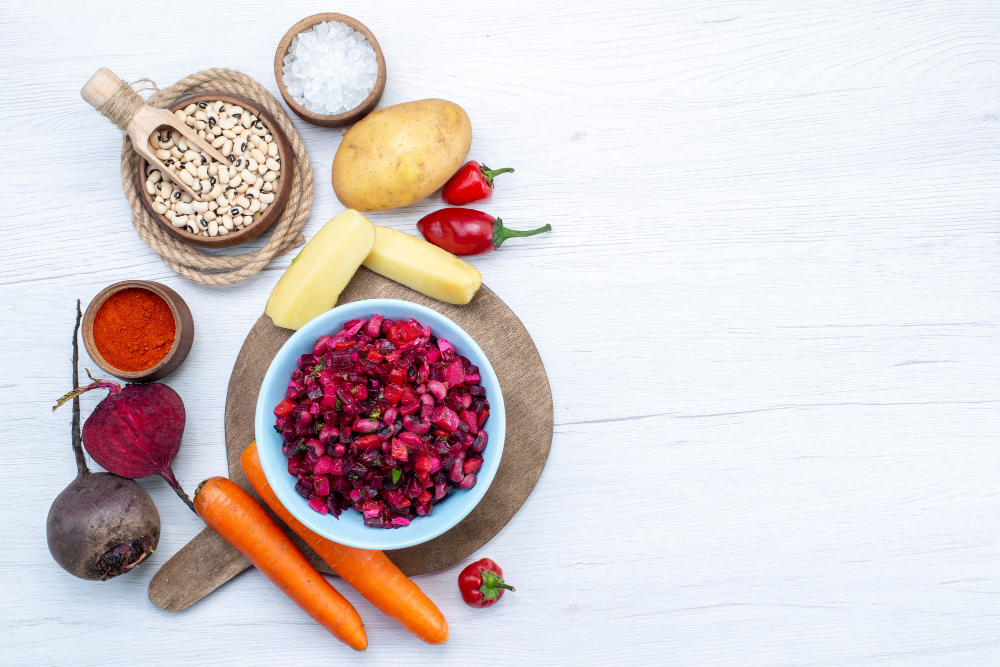
Urinary wellness is a cornerstone of overall health, yet it often receives attention only when problems arise. The foods you eat daily directly influence urinary Health, bladder comfort, and long-term disease risk.
A balanced, nutrient-rich diet can reduce inflammation, support detoxification, and may lower the risk of serious conditions such as bladder cancer. Understanding how diet interacts with bladder function empowers you to make preventive, health-supporting choices every day.
Urinary Health reflects how effectively the body filters waste while protecting sensitive bladder tissues. Diet shapes urine chemistry, inflammation levels, and toxin exposure. Making smart food choices helps the urinary system function smoothly and reduces unnecessary strain on the bladder.
The urinary system is a finely tuned network that removes waste and excess fluids from the bloodstream. The kidneys act as filters, extracting toxins and forming urine, which travels through the ureters to the bladder for temporary storage.
When functioning well, this process keeps harmful substances from lingering in the body. Poor dietary habits can overload this system, increasing irritation and discomfort. Supporting this system through hydration and nutrition helps maintain steady filtration and protects bladder tissues from chronic stress.
The bladder lining is directly exposed to urine, making it highly sensitive to dietary byproducts. Foods high in artificial additives, excess sodium, or inflammatory compounds can alter urine composition and irritate bladder walls. Repeated irritation may weaken natural defenses, increasing vulnerability to bladder infection. A diet rich in whole foods helps stabilize urine chemistry, reduce inflammation, and maintain the integrity of bladder tissues over time.
Consistent dietary choices shape long-term bladder resilience. Antioxidant-rich foods support cellular repair, while fiber aids toxin elimination through digestion, reducing the bladder’s burden. Over time, these effects contribute to improved Urinary Health, fewer infections, and potentially reduced risk of cellular changes linked to Bladder cancer. Small daily choices compound into meaningful long-term protection.
Bladder cancer is influenced by both genetic and lifestyle factors. While medical care is essential, nutrition plays a supportive role in reducing chronic inflammation and toxin exposure that affect bladder cells.
Recognizing bladder cancer symptoms early is crucial for effective treatment. Symptoms often include blood in the urine, increased urinary frequency, pain during urination, and lower abdominal discomfort.
These signs can be intermittent and easily ignored. Chronic bladder irritation from poor diet may mask or worsen these symptoms. Supporting bladder health through proper nutrition helps maintain tissue resilience and encourages early awareness of abnormal changes.
Many toxins processed by the body are excreted through urine, meaning the bladder repeatedly encounters them. Diets low in antioxidants allow these toxins to cause oxidative stress, damaging bladder cells over time. Antioxidant-rich foods neutralize free radicals, reducing cellular injury.
This protective effect is important for minimizing long-term changes associated with Bladder cancer development.
Smoking, dehydration, and chronic inflammation significantly increase bladder stress. When combined with nutrient-poor diets, these factors amplify risk. A healthy diet acts as a buffer, supporting detoxification and immune defense. While diet alone cannot eliminate risk, it plays a meaningful role in comprehensive bladder protection.
Hydration is the backbone of a well-functioning urinary system. Even the most carefully planned diet cannot fully support bladder and kidney health if the body is consistently dehydrated. Fluids help dilute urine, regulate bladder activity, and flush harmful substances before they irritate sensitive tissues. Maintaining proper hydration daily reduces strain on the bladder and supports long-term urinary Health, making it one of the simplest yet most powerful preventive habits.
Water plays a crucial role in protecting the bladder by diluting urine and reducing the concentration of toxins that pass through it. When urine is diluted, it becomes less irritating to the bladder lining, lowering inflammation and discomfort. Regular water intake also promotes frequent urination, which helps flush bacteria from the urinary tract before they multiply and cause a bladder infection. Over time, consistent hydration reduces prolonged toxin contact with bladder cells, supporting stronger, healthier bladder tissue and overall urinary health.
Inadequate hydration often shows up through clear warning signs such as dark-colored urine, strong odor, and reduced frequency of urination. These symptoms indicate that urine is highly concentrated, increasing irritation to the bladder lining. Concentrated urine exposes bladder cells to higher levels of waste products, which may lead to inflammation and microscopic tissue damage. When dehydration becomes chronic, this stressful environment can weaken natural defenses and increase vulnerability to infections and other long-term urinary complications.
Hydration does not come solely from drinking plain water throughout the day. Water-rich foods such as fruits and vegetables contribute significantly to daily fluid intake while also supplying essential vitamins and antioxidants. Herbal teas without caffeine are another gentle option, offering hydration without stimulating or irritating the bladder. These additional sources help maintain consistent hydration levels, especially for individuals who struggle to drink enough water alone, supporting smoother bladder function and improved urinary comfort.
Fruits are natural allies for urinary wellness because they combine hydration, antioxidants, and anti-inflammatory compounds in an easily digestible form. When consumed regularly, fruits help protect bladder tissues, support immune defenses, and reduce oxidative stress caused by toxins filtered through urine. Their high water content also promotes frequent urination, which is essential for flushing bacteria and maintaining a balanced urinary environment.
Berries such as blueberries, strawberries, and raspberries are rich in antioxidants that protect bladder cells from oxidative damage. Since the bladder is repeatedly exposed to waste products and toxins, antioxidants play a vital role in neutralizing free radicals before they harm cellular structures. Regular consumption of berries supports cellular repair mechanisms and reduces chronic inflammation. Over time, this protective effect may help lower the risk of long-term cellular changes associated with bladder cancer development.
Citrus fruits like oranges and lemons provide vitamin C, which strengthens immune function and helps inhibit bacterial growth in the urinary tract. Vitamin C may also help maintain a urinary environment that discourages infections, reducing the likelihood of bladder infection. When consumed in moderation, citrus fruits support detoxification without overwhelming the bladder. Balancing citrus intake with other low-acid fruits ensures bladder comfort while still benefiting from their immune-boosting properties.
Fruits such as watermelon, apples, and pears offer gentle hydration with minimal acidity, making them ideal for sensitive bladders. Their high water content helps dilute urine naturally, reducing irritation and pressure on the bladder lining. These fruits also provide fiber, which supports digestion and reduces toxin buildup in the body. Including water-rich fruits daily helps maintain steady hydration levels and supports smooth urinary function throughout the day.
Vegetables supply essential nutrients that support detoxification, reduce inflammation, and protect delicate bladder tissues. Their fiber content aids waste elimination, while antioxidants and minerals help maintain proper bladder muscle function. Regular vegetable intake plays a key role in sustaining long-term urinary comfort and resilience.
Cruciferous vegetables such as broccoli, cauliflower, and cabbage contain bioactive compounds that support the body’s natural detoxification enzymes. These enzymes help neutralize carcinogens before they reach and damage bladder cells. By reducing oxidative stress and supporting cellular repair, cruciferous vegetables may contribute to a lower risk of abnormal cell growth associated with bladder cancer. Including these vegetables regularly strengthens the bladder’s ability to cope with environmental and dietary toxins.
Leafy greens like spinach and kale are rich in magnesium and potassium, minerals essential for proper muscle and nerve function. These nutrients help regulate bladder contractions, reducing urgency and discomfort. Balanced muscle activity supports more controlled urination and improved daily urinary Health. In addition, leafy greens provide antioxidants that calm inflammation, helping preserve the integrity of the bladder lining and supporting overall urinary comfort.
Colorful vegetables such as carrots, bell peppers, and squash contain carotenoids that protect tissues from inflammation and oxidative damage. These compounds help maintain healthy bladder lining cells, reducing irritation caused by toxins in urine. Regular consumption of colorful vegetables supports immune defense and tissue repair, contributing to long-term bladder comfort and reducing the risk of chronic urinary irritation.
Protein is essential for tissue repair and immune function, but the type and quantity consumed significantly affect bladder health. Choosing clean, minimally processed protein sources helps reduce inflammation and avoids unnecessary bladder irritation.
Plant-based proteins such as lentils, beans, and tofu provide essential amino acids without excess saturated fat or chemical additives. These foods are easier on the bladder and help reduce systemic inflammation. Their fiber content also supports digestive health, lowering toxin circulation that could otherwise burden the urinary system. Regular intake of plant-based proteins supports sustained urinary health while promoting balanced nutrition.
Lean animal proteins like fish and skinless poultry provide high-quality protein needed for tissue repair and immune support. When consumed in moderation, they are less likely to irritate the bladder compared to fatty or heavily processed meats. Fish also contains beneficial fatty acids that help reduce inflammation, supporting bladder comfort and overall urinary function.
Processed meats often contain preservatives, artificial flavorings, and high sodium levels that can irritate the bladder lining. Frequent consumption increases inflammation and places unnecessary stress on urinary tissues. Reducing processed protein intake helps maintain a calmer bladder environment, lowers irritation, and supports long-term urinary health and comfort.
Related: Early Signs of Prostate Problems Every Man Should Know
A diet designed to support urinary health is a long-term investment in comfort, resilience, and disease prevention. By prioritizing hydration, whole foods, and anti-inflammatory nutrients, you reduce bladder stress and may lower the risk of bladder cancer and bladder infection. Consistency is key, small daily choices add up to meaningful protection over time.
Yes, diet influences inflammation, toxin exposure, and cellular repair, all of which affect long-term risk.
Not necessarily. Moderate intake of natural acidic foods can be beneficial if well tolerated.
Hydration flushes bacteria from the urinary tract, reducing infection risk