


Page Under Maintenance
This page is currently under maintenance.
Please communicate at the hospital help desk for assistance.
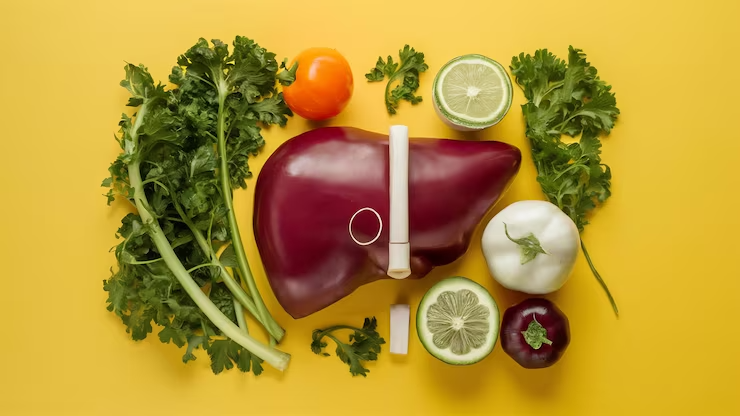
Although a liver transplant can save a patient's life, healing doesn't stop in the operating room. For the transplanted liver to heal, avoid problems, and succeed over the long term, proper post-transplant care, especially nutrition, is essential. A healthy diet promotes general well-being, boosts immunity, lowers the chance of infection, and speeds up healing.
The ideal diet for liver transplant recovery, foods to include and avoid, meal planning advice, and typical post-operative nutritional difficulties are all covered in this blog.
Why Diet Is Crucial After a Liver Transplant
The body experiences severe physical stress following a liver transplant. Immunosuppressive drugs are administered to patients in order to prevent organ rejection, which might impact blood sugar, cholesterol, hunger, metabolism, and kidney function. A carefully thought-out diet aids in:
Dietary requirements may differ because each patient's condition is different, but some guidelines are always applicable.
Best Foods to Eat After Liver Transplant
The following objectives are the main emphasis of the optimum post-transplant diet:
Immune system function, muscle growth, and healing all depend on protein.
Recommended protein sources:
Tips: Rather than ingesting all of your protein at one meal, spread it out equally throughout the day.
Whole grains offer vital minerals, fiber, and long-lasting energy.
Healthy choices include:
Avoid refined grains like white bread and pastries, which spike blood sugar.
Vitamins, minerals, antioxidants, and fiber are abundant in fruits and vegetables.
Best options:
Important: To prevent infections, all fruits and vegetables should be well cleaned and ideally cooked during the early stages of recuperation.
Nutrient absorption and heart health are supported by healthy fats.
Include:
Avoid: Fried foods, trans fats, butter-heavy dishes, and fast food.
Proper hydration helps kidney function and digestion.
At first, your fluid intake can be limited; always heed your doctor's advice.
Foods to Avoid After Liver Transplant
Some foods can strain the liver or raise the risk of infection.
Excess salt can cause fluid retention and high blood pressure.
Sugar control is crucial since immunosuppressants can raise the risk of diabetes.
Alcohol must be strictly avoided for the rest of one's life because it can seriously harm a transplanted liver.
Grapefruit can cause hazardous drug levels and interfere with immunosuppressive drugs.
Managing common post-liver transplant nutritional issues:
Due to increased appetite and medicines, many individuals gain weight. Portion control and a balanced diet are essential.
Diabetes may be brought on by steroid drugs. This can be controlled by eating regular meals and limiting sugar and refined carbohydrates.
Choose low-fat dairy, lean protein, and avoid fried foods.
When appetite is low, small, frequent meals can be beneficial.
Sample Daily Diet Plan (Indicative)
Note: Always customize diet plans under medical supervision.
Importance of Food Safety After Transplant
Because immunity is suppressed, food safety is extremely important.
Long-Term Dietary Habits for Liver Health
Recovery is not just short-term. A healthy diet must be maintained for life.
When to Consult a Dietitian
Every liver transplant patient has unique nutritional needs. Consulting a clinical dietitian experienced in transplant care helps:
A new lease on life is provided by a liver transplant, and a healthy diet guarantees that this new beginning is robust and long-lasting. Patients can greatly enhance their recovery, safeguard their transplanted liver, and have a healthy future by emphasizing high-quality protein, balanced meals, safe food practices, and avoiding dangerous foods.
Never forget that while diet is one of the most important factors in long-term transplant success, it cannot replace medical care.
One of Mumbai's most reputable multispecialty medical facilities, Jaslok Hospital is well-known for its superior liver transplant services and thorough post-transplant care. At every stage of liver transplant recovery, Jaslok Hospital's highly skilled staff of transplant surgeons, hepatologists, nutritionists, and critical care specialists guarantees individualized care, cutting-edge medical equipment, and sympathetic support. Modern facilities, evidence-based treatment practices, and a strong emphasis on long-term health and quality of life all benefit patients.