
Page Under Maintenance
This page is currently under maintenance.
Please communicate at the hospital help desk for assistance.
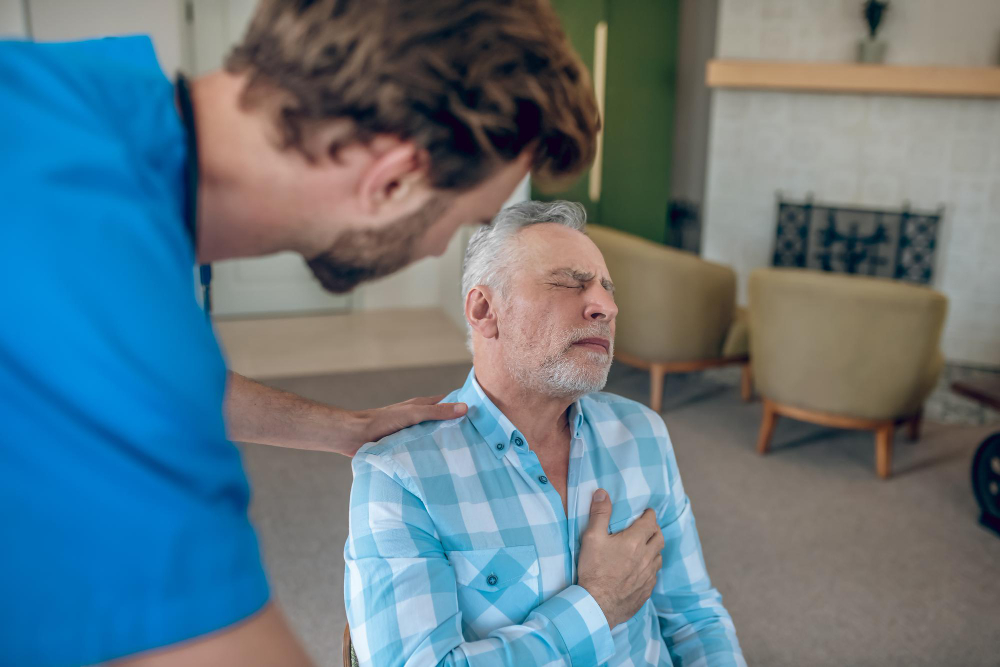
Myocardial infarction, the medical term for a heart attack, is a life-altering catastrophe that affects not just the body but also the mind and emotions. Although surviving a heart attack is a significant accomplishment, healing is a slow process that calls for dedication, lifestyle adjustments, and regular medical attention. Many people who receive the proper care not only make a full recovery but also go on to lead better, more satisfying lives.
This blog examines useful, research-backed heart attack recovery strategies to hasten recovery, avert more issues, and rebuild self-assurance in day-to-day living.
Understanding Heart Attack Recovery
Recovery after a heart attack doesn’t follow a fixed timeline. For some, it may take weeks; for others, several months. The pace depends on:
The key goal of recovery is to strengthen the heart, prevent another attack, and improve overall quality of life.
This is the cornerstone of healing. Your cardiologist will prescribe drugs and lifestyle recommendations specific to your situation once you are discharged.
Common post-heart attack medications include:
Even if you begin to feel better, you should always check your doctor before skipping, stopping, or altering your dosage. Blood work, stress tests, ECGs, and routine follow-ups are all equally crucial.
One of the best, yet underutilized, recovery strategies is cardiac rehabilitation.
What cardiac rehab includes:
Research indicates that those who participate in cardiac rehabilitation recover more quickly, experience fewer problems, and are less likely to experience another heart attack.
While rest is crucial, total inactivity might impede healing.
Safe exercise guidelines:
Exercises that strengthen the heart, increase stamina, and enhance circulation include walking, cycling, moderate stretching, and breathing techniques.
Always adhere to the workout regimen that your rehab team or cardiologist recommends.
Food plays a crucial role in healing damaged arteries and preventing future blockages.
Foods to include:
Foods to avoid or limit:
A heart-friendly diet helps control cholesterol, blood pressure, blood sugar, and weight, all critical for recovery.
Giving up smoking is a must if you smoke. Smoking significantly raises the chance of another heart attack, destroys blood arteries, and lowers oxygen supply.
Similarly, alcohol should be:
Within a year, quitting smoking alone can cut your risk of another heart attack by as much as 50%.
Many heart attack survivors experience:
These emotions are normal, but ignoring them can slow recovery.
Helpful strategies:
A calm mind reduces strain on the heart and improves overall healing.
Regular self-monitoring helps catch problems early.
Track:
Maintain a log and share it during follow-up visits. Sudden changes can signal complications that need prompt attention.
Being overweight puts more strain on the heart. Gradual weight loss through food and activity:
Steer clear of crash diets. It is safer and more beneficial for heart health to manage weight gradually and sustainably.
Going back to your regular life should be done gradually.
General guidelines:
Listen to your body, fatigue is a signal to rest, not to push harder.
Recovery is easier when you’re not doing it alone.
Motivation and healing are greatly aided by emotional support.
Warning Signs You Should Never Ignore During Recovery
Seek immediate medical attention if you experience:
Early intervention can prevent serious complications.
Preventing Another Heart Attack
The key to long-term rehabilitation is prevention. It's important to be consistent:
A heart attack is frequently a wake-up call to live a healthier life rather than a sign that life is finished.
Related: Early Symptoms of Heart Disease You Should Never Ignore
Recovering from a heart attack involves more than simply repairing the heart; it also entails changing your way of life to preserve it for years to come. Recovery can be quicker, safer, and more empowering with medical advice, self-discipline, emotional equilibrium, and family support. Your heart is strengthened for tomorrow with each constructive action you perform today.
Advanced cardiology treatment, organized cardiac rehabilitation, and individualized lifestyle counseling are all part of Jaslok Hospital's all-encompassing, patient-centered approach to heart attack treatment and recovery. Jaslok Hospital helps patients recuperate more quickly and resume their lives with strength and confidence because to its skilled doctors, state-of-the-art facilities, and emphasis on long-term heart health.