


Page Under Maintenance
This page is currently under maintenance.
Please communicate at the hospital help desk for assistance.
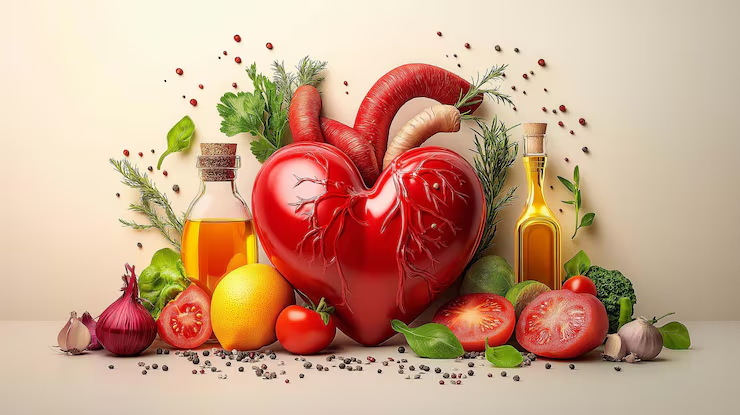
Plaque, a fatty deposit that gradually clogs arteries, is one of the main causes of heart disease, which is still one of the world's leading causes of mortality. This accumulation, known as atherosclerosis, narrows the arteries, limits blood flow, and raises the risk of high blood pressure, heart attacks, and strokes. Scientific study unequivocally demonstrates that daily diet can have a significant impact on preventing plaque formation and even assisting the body in reversing early artery damage, even though medical intervention is necessary when blockages are severe.
Food does not actually remove plaque like a brush when it is said to "clean" the arteries. Rather, these nutrients improve the health of the arterial lining (endothelium), lower bad cholesterol (LDL), increase good cholesterol (HDL), reduce inflammation, stop fat oxidation, and, in certain situations, aid the body in gradually reabsorbing and stabilizing existing plaque. This eventually results in blood vessels that are healthier, more flexible, and smoother.
Let's examine the best, scientifically supported foods that promote cardiovascular protection and natural artery cleansing.
1. Fatty Fish (Salmon, Sardines, Mackerel, Tuna)
Because fatty fish is high in omega-3 fatty acids (EPA and DHA), it is one of the most potent heart-protective nutrients. These beneficial fats increase the flexibility of artery walls, prevent improper clotting, lower blood vessel inflammation, and lower triglycerides.
Additionally, omega-3 fatty acids stabilize plaque, reducing the risk of rupture and heart attacks. Regular consumption of fatty fish can dramatically lower cardiovascular risk and prevent the onset of atherosclerosis, according to studies.
How to consume Fatty Fish:
Try to eat two to three servings per week. The best fish is grilled, steamed, or simply pan-cooked with little oil. Fish curry made with little saturated fat might also be good for Indian diets.
2. Garlic
For thousands of years, garlic has been utilized as a natural heart remedy. Garlic can cut LDL, lower total cholesterol, lower blood pressure, and enhance blood flow, according to current study.
Allicin, its active ingredient, lessens arterial stiffness, relaxes blood vessels, and inhibits the development of plaque by lowering oxidative stress. Long-term garlic consumption may help reduce the accumulation of calcium in arteries, according to some research.
How to consume Garlic:
To get the most benefit, crush one or two raw cloves every day and wait ten minutes before eating. It can also be liberally added to prepared dishes.
3. Leafy Green Vegetables (Spinach, Kale, Fenugreek, Amaranth)
Nitrates, which the body transforms into nitric oxide, are abundant in leafy greens. Nitric oxide protects the fragile inner lining of arteries, enhances circulation, and dilates blood vessels.
Additionally, they are rich in fiber, potassium, vitamin K, and antioxidants, all of which lower inflammation and help avoid artery calcification.
How to consume Leafy Green Vegetables:
Include at least one substantial portion each day in the shape of smoothies, soups, salads, or sautéed sabzi.
4. Nuts (Almonds, Walnuts, Pistachios)
Nuts are a rich source of antioxidants, fiber, magnesium, plant sterols, and healthy fats. They lower LDL cholesterol, raise HDL levels, and lessen artery wall inflammation.
Alpha-linolenic acid, a plant-based omega-3 fatty acid that enhances endothelial function and reduces plaque accumulation, makes walnuts particularly advantageous.
How to consume Nuts:
You only need to eat a tiny handful (20–30 grams) per day. In Indian homes, soaked walnuts and almonds are preferred because they are easier to stomach.
5. Olive Oil (Extra Virgin)
The foundation of the Mediterranean diet, which is closely linked to low incidence of heart disease, is extra virgin olive oil. It has strong antioxidants called polyphenols and monounsaturated fats, which lower inflammation and stop LDL oxidation, a crucial stage in the development of plaque.
Consuming olive oil on a regular basis slows the advancement of atherosclerosis and increases vascular elasticity.
How to use it Olive Oil:
Use extra virgin olive oil in low-heat cooking or salad dressings. Prevent overheating in order to maintain its advantageous chemicals.
6. Berries (Blueberries, Strawberries, Blackberries, Amla)
Flavonoids and vitamin C, which are abundant in berries, lower blood vessel inflammation and oxidative stress. They decrease blood pressure and LDL cholesterol while also enhancing endothelial function.
With potent antioxidant qualities that lower cholesterol and enhance vascular health, Indian gooseberry (amla) is very potent.
How to consume Berries:
It can be helpful to have a bowl of fresh berries, amla juice, or dried amla powder every day.
7. Whole Grains (Oats, Barley, Brown Rice, Millets)
Soluble fiber, particularly beta-glucan, which binds cholesterol in the digestive tract and aids in its removal, is abundant in whole grains. This inhibits the accumulation of plaque and decreases LDL levels.
Additionally, they increase insulin sensitivity, which is crucial as diabetes hastens the development of atherosclerosis.
How to eat Whole Grains:
Swap out processed grains for brown rice, oats, whole wheat, ragi, jowar, and bajra.
8. Legumes (Lentils, Chickpeas, Kidney Beans, Soybeans)
Plant protein, fiber, and polyphenols are abundant in legumes. They lower blood sugar, lessen the absorption of cholesterol, and lessen artery wall inflammation.
Consuming beans and dals on a regular basis is linked to reduced incidence of coronary artery disease.
How to eat Legumes:
Eat at least one serving of sprouts, rajma, chana, or dal each day.
9. Turmeric
Turmeric's main ingredient, curcumin, has potent anti-inflammatory and antioxidant qualities. It decreases the development of plaque, lowers LDL oxidation, and shields the endothelium.
Additionally, turmeric lowers the risk of clot formation and enhances blood vessel function.
How to eat Turmeric:
For optimal absorption, incorporate turmeric into everyday meals or take it with warm milk and a dash of black pepper.
10. Green Tea
Catechins, which are abundant in green tea, lower LDL oxidation, increase vascular function, and improve fat metabolism. Frequent green tea consumers have better cholesterol profiles and reduced heart disease rates.
How to consume Green Tea:
1-2 glasses per day, sugar-free, are beneficial for the heart.
11. Pomegranate
Strong antioxidants included in pomegranate juice enhance blood flow, lower oxidative stress, and may eventually aid in the regression of carotid artery plaque.
Additionally, it lessens arterial stiffness and increases the availability of nitric oxide.
How to eat Pomegranate:
Unsweetened or fresh pomegranate juice in moderation.
12. Dark Chocolate (70% Cocoa or More)
In moderation, dark chocolate lowers inflammation, raises nitric oxide, and enhances endothelial function. Its flavonoids enhance blood flow and stop LDL oxidation.
How to eat Dark Chocolate:
It is sufficient to take a little square (10–20 grams) many times a week.
How These Foods Work Together
No single food can “clean” arteries overnight. But when combined into a consistent heart-healthy diet, they:
This creates an internal environment in which the body can naturally heal and protect its arteries.
Lifestyle Matters Too
When paired with smoking, long-term stress, inactivity, and insufficient sleep, even the greatest meals cannot completely protect arteries. These dietary decisions should be backed by the following for the best possible vascular health:
When given the proper food, arteries can recover since they are dynamic, living tissues. Plaque accumulation can be slowed, stabilized, and in the early stages even partially reversed by eating foods high in fiber, antioxidants, healthy fats, and anti-inflammatory chemicals. A natural artery cleaning diet is built around fatty fish, garlic, leafy greens, nuts, olive oil, berries, whole grains, legumes, turmeric, green tea, and pomegranate.
Related: What Is TAVI? Understand the Procedure
You are actively strengthening your heart, enhancing circulation, and investing in long-term vitality when you incorporate these meals into your daily routine. True heart health is developed daily on your plate, not just in a hospital.
Jaslok Hospital is a reputable name in complete cardiac treatment for individuals looking for professional advice and cutting-edge care to maintain heart health. Jaslok Hospital provides top-notch preventive, interventional, and rehabilitative cardiac treatment thanks to a staff of highly skilled cardiologists, cutting-edge diagnostic tools, and a patient-centered philosophy. Jaslok Hospital provides medical competence with compassionate care to help patients preserve their arteries and live longer, healthier lives. This includes sophisticated treatment, lifestyle counseling, and early screening