

Page Under Maintenance
This page is currently under maintenance.
Please communicate at the hospital help desk for assistance.
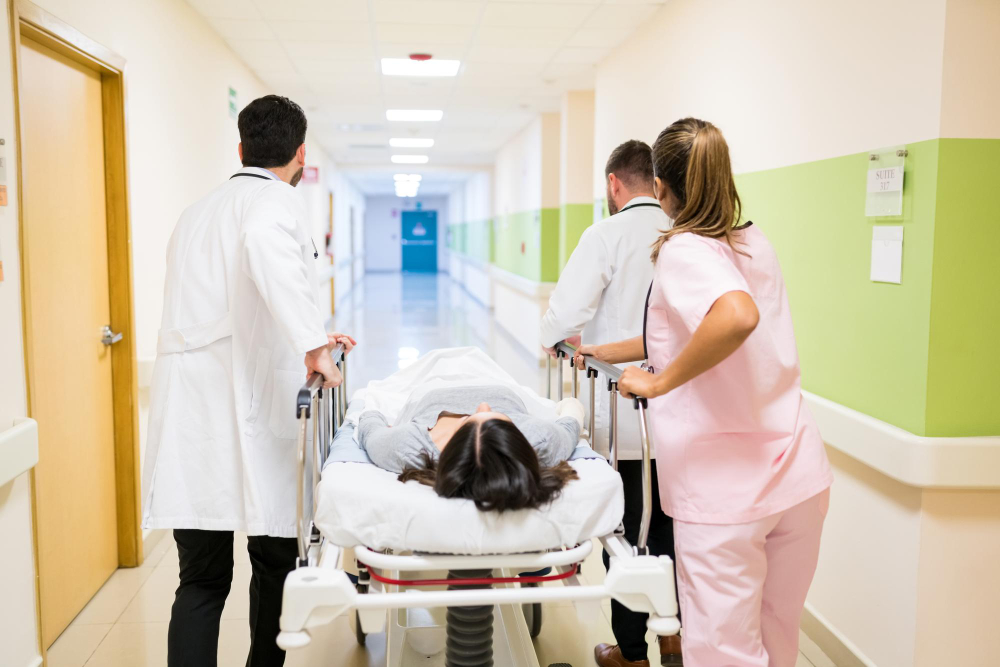
When unexpected medical problems occur, time becomes the most important factor separating healing from lasting harm, or even life from death. The human body can quickly decline due to a heart attack, stroke, traumatic injury, allergic reaction, or serious infection. For this reason, prompt emergency care is crucial. It's not just about getting to the hospital as soon as possible; it's also about being assessed, diagnosed, and treated by an emergency care team that has been trained to act swiftly, accurately, and expertly.
The basic but life-saving tenet of emergency care is that the earlier an intervention is made, the better the outcome. Even a short delay can exacerbate harm to the heart, brain, lungs, or other critical organs. This life-saving chain must include early detection, quick transportation, quick medical attention, and timely treatment.
We'll look at why prompt emergency care saves lives, what happens within the body in life-threatening situations, how emergency rooms react so fast, and why every second matters in this blog.
Understanding the “Golden Hour” and “Golden Minutes”
Two expressions that are frequently used in emergency treatment emphasize the significance of time:
The first sixty minutes following a catastrophic injury, heart attack, stroke, or other serious medical emergency are known as the "Golden Hour." Rapid medical care during this window significantly improves survival rates and lowers the likelihood of long-term impairment. During this time, brain damage, organ failure, or blood loss all accelerate.
Some emergencies require even faster action. For instance:
These circumstances demonstrate how prompt emergency care is essential and not optional.
How Quick Emergency Care Saves Lives
In order to stabilize the patient and halt the progression of illness or injury, prompt emergency care uses a number of interrelated mechanisms. Here's how:
Every organ has a maximum amount of time it can endure without sufficient oxygen or blood flow.
Emergency care prevents irreversible harm by stabilizing blood pressure, circulation, and oxygen flow.
Uncontrolled bleeding is the most common avoidable cause of mortality in trauma. Prompt emergency care is beneficial:
Stopping blood loss early greatly increases survival.
Suffocation may result from blocked, enlarged, or damaged airways. Emergency physicians quickly:
Fast airway management can save a life in seconds.
Cardiac emergencies deteriorate rapidly. Timely intervention helps:
Every minute saved greatly improves survival and recovery.
"Time is Brain" when it comes to stroke.
If treated quickly:
Treatment delays frequently result in cognitive deterioration, speech loss, or lifelong paralysis.
Organ failure can result from sepsis, commonly known as a "blood infection," which can worsen in a matter of hours. Early intervention consists of:
Prompt care prevents the body from going into septic shock.
Emergency departments operate with speed-focused protocols:
Rapid diagnosis enables correct and timely treatment.
In road accidents, falls, burns, or assaults, timely emergency care ensures:
Stabilizing trauma early prevents complications and speeds up recovery.
Abrupt flare-ups can occur in patients with diabetes, asthma, hypertension, or kidney illness. Quick medical attention:
This prevents organ damage and long-term deterioration.
Emergency care teams include:
This coordinated expertise ensures immediate and accurate management for complex emergencies.
Early treatment in emergencies can prevent:
Timely intervention preserves quality of life.
Patients who receive timely emergency care often:
Knowing help arrived quickly reduces psychological trauma for both patients and families.
The earlier treatment begins, the sooner rehabilitation can start. Early rehab leads to:
Timely emergency care sets the foundation for successful recovery.
The most crucial element in determining survival and recovery in life-threatening medical circumstances is prompt emergency care. Organ damage can be avoided, problems can be decreased, and long-term results can be greatly enhanced with every second saved. People can significantly improve their chances of life by identifying emergencies early and getting medical attention right once. The difference between life and death is genuinely determined by prompt action, professional treatment, and appropriate medical assistance.
With cutting-edge equipment, quick response teams, and highly qualified emergency specialists on call around-the-clock, Jaslok Hospital is one of Mumbai's most reputable locations for top-notch emergency care. Jaslok Hospital guarantees that every patient receives prompt, accurate, and compassionate care when it matters most because to its state-of-the-art diagnostic facilities, specialized trauma services, and quick life-saving procedures. Families throughout the community depend on Jaslok for professional care and better survival rates during trying times.