


Page Under Maintenance
This page is currently under maintenance.
Please communicate at the hospital help desk for assistance.
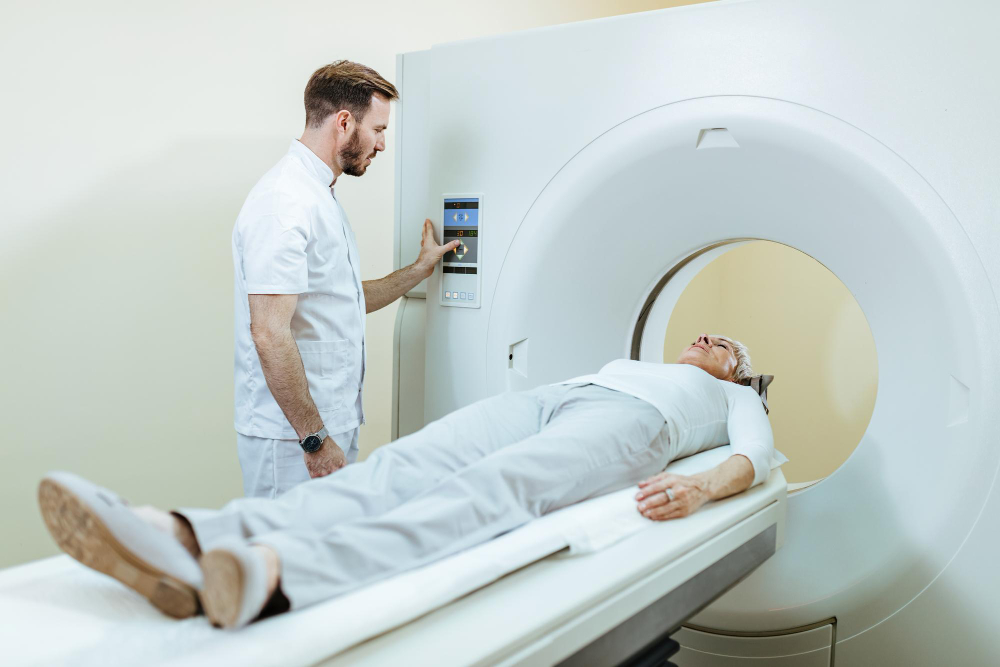
Radiation therapy has entered a transformative era defined by precision, innovation, and personalized care. Today’s modern machines and advanced planning systems have revolutionized how tumours are targeted, treated, and monitored. What once required generalised radiation exposure now benefits from focused beams, real-time tracking, and safety systems that protect healthy organs. These breakthroughs have rapidly elevated the standards of radiation oncology, providing safer and more effective treatment options for millions of patients worldwide.
Radiation therapy has come a long way from the early days of conventional X-ray treatments. New-age systems leverage advanced imaging, robotics, and computer algorithms to deliver radiation more precisely than ever before. The result is improved tumour control with significantly reduced side effects. As cancer cases rise globally, the evolution of radiation therapy has become one of the most important milestones in medical innovation.
The evolution of technology has transformed radiation from broad exposure to ultra-precise tumor targeting. Early methods lacked exact imaging, which sometimes caused unnecessary exposure to healthy tissues. Today, thanks to detailed CT, MRI, and PET scans, oncologists create individualized 3D maps of each tumor. These maps guide algorithms and machines to shape beams with millimeter-level accuracy. Because of this precision, patients experience fewer complications and better long-term treatment success.
Traditionally, radiation delivery relied on 2D imaging, leaving doctors to estimate tumor depth and shape. Modern 3D and 4D technologies allow visualization of a tumor’s movement during breathing or swallowing. By capturing tumor motion in real-time, oncologists can safely adjust radiation beams during treatment. This ensures that moving tumors, especially in the lungs and abdomen, receive accurate doses. As a result, treatments that were once too risky or imprecise are now administered with confidence.
Personalized treatment planning is now central to radiation oncology. Advanced planning software evaluates tumor location, shape, size, and proximity to vital organs. It then uses artificial intelligence to generate customized dose patterns that maximize tumor destruction while minimizing side effects. Over time, as the tumor shrinks, adaptive planning allows doctors to update the treatment plan accordingly. This personalization has significantly enhanced patient outcomes and reduced unnecessary exposure.
Breakthrough technologies have made radiation therapy faster, safer, and more effective. These innovations help oncologists treat complex tumors that were previously inoperable or difficult to reach. With image-guided systems, robotic precision, and smarter beam delivery, modern therapies can adapt to patient anatomy in real time. Such advancements have strengthened the field of radiation oncology, making it one of the cornerstones of modern cancer treatment.
Image-Guided Radiotherapy has dramatically improved cancer care in India by enabling daily imaging before each radiation session. This helps doctors account for tumor movement caused by breathing or body shifts. IGRT ensures accuracy by aligning the radiation beam precisely to the tumor’s current position, not its estimated location. Such accuracy is especially beneficial when treating tumors near sensitive organs. Many top cancer hospitals across India now rely on IGRT for improved patient safety and outcomes.
Real-time imaging helps doctors monitor tumors continuously during treatment. If the tumor moves slightly due to breathing or natural organ shifts, the system detects the change immediately. The radiation beam is automatically adjusted to stay aligned, preventing exposure to healthy tissue. This capability is critical for mobile tumors such as those in the lungs, liver, or abdomen. Real-time tracking has significantly improved treatment accuracy and reduced the chances of side effects.
IGRT systems take precise images before each session, minimizing the risk of targeting errors. These images help oncologists determine whether adjustments are needed. By ensuring that radiation hits the tumor exactly, IGRT protects organs like the heart, spinal cord, and kidneys. This reduction in collateral damage results in fewer side effects during and after treatment. It also increases the treatment’s overall success rate because doses are delivered more consistently and safely.
SBRT has emerged as one of the most advanced forms of radiation therapy, offering high-dose radiation in just a few sessions. This approach is particularly effective for small, well-defined tumors. SBRT’s ability to deliver treatment with surgical-level precision has made it a popular alternative to invasive surgeries. Its quick recovery and minimal side effects have made it a preferred choice for many patients and oncologists.
SBRT delivers extremely focused radiation beams that target only the tumor, sparing surrounding tissue. This high level of accuracy is possible due to real-time imaging and advanced motion management systems. SBRT is especially effective for early-stage lung, liver, prostate, and spinal tumors. Because the radiation dose is higher per session, patients typically complete treatment in fewer visits. The results are comparable to surgery but without the risks of anesthesia or long recovery periods.
Many patients with early-stage cancer or those unable to undergo surgery due to age or health conditions benefit from SBRT. The treatment is non-invasive and does not require hospitalization. Its rapid delivery means patients can resume normal activities almost immediately. SBRT offers high local control rates, meaning it successfully prevents tumor regrowth in most cases. This makes SBRT a life-changing option for individuals with inoperable tumors.
SBRT is considered one of the biggest breakthroughs in radiation oncology due to its ability to treat tumors traditionally considered difficult. Tumors near delicate organs can be treated safely with minimal side effects. Its precision reduces the risk of long-term complications significantly. SBRT’s success has encouraged many hospitals worldwide to adopt advanced linear accelerators capable of delivering these targeted treatments. The therapy continues to expand its applications across different cancer types.
Intensity-Modulated Radiation Therapy (IMRT) is widely used for complex and irregularly shaped tumors. It uses modulated beams that vary in intensity across the treatment area. This allows oncologists to shape the dose according to the tumor’s geometry. IMRT has proven especially effective for tumors near sensitive organs, offering improved control with fewer side effects.
IMRT’s strength lies in its ability to shape radiation beams precisely. Tumors located near vital organs such as the bladder, brainstem, or optic nerves can be treated safely. By adjusting intensity levels across the beam, IMRT ensures sensitive tissues receive minimal exposure. This precision reduces the risk of complications while maintaining effective tumor control. IMRT has become a standard treatment for cancers of the head, neck, prostate, and pelvis.
Adaptive therapy modifies the treatment plan as tumors shrink or change shape during treatment. This dynamic approach ensures that radiation continues targeting the tumor with maximum accuracy. Regular imaging helps determine changes in position or size. Updated plans are then created to reflect the new anatomy. This adaptability reduces the dose to healthy tissue and improves overall treatment outcomes significantly.
IMRT represents a major advancement in modern radiation therapy because it enhances tumor coverage while protecting healthy tissue. Its ability to deliver precise radiation to complex tumors has improved success rates across many cancer types. Patients undergoing IMRT often experience fewer side effects and faster recovery. The technology has become essential for delivering advanced, safe, and effective cancer treatments.
India has seen significant growth in advanced radiotherapy machines, providing patients with access to world-class technology. The availability of modern systems is helping bridge the gap between Indian and global cancer care standards. With increased adoption of AI-enabled systems and precision-led machines, radiotherapy machines in India are redefining nationwide cancer treatment.
Modern linear accelerators (LINACs) in India now support technologies like IGRT, IMRT, SBRT, and 4D imaging. Many top hospitals have adopted machines from global leaders such as Varian, Elekta, and Siemens. These machines offer rapid treatment delivery with high accuracy. As healthcare infrastructure grows, more cities are gaining access to such equipment. This improved reach ensures patients no longer have to travel long distances for advanced radiation therapy.
Advanced radiotherapy machines reduce treatment times and enhance accuracy. They integrate real-time imaging, robotic beam delivery, and automated quality checks. Such features improve survival rates and reduce complications. Faster treatment sessions help patients maintain comfort and reduce anxiety. These improvements have elevated the overall standard of cancer care throughout India.
Manufacturers like Varian’s TrueBeam, Elekta’s Versa HD, and Hitachi’s Proton Therapy systems have revolutionized India’s oncology capabilities. These machines support multiple treatment techniques and provide unmatched precision. With training and support from these companies, Indian medical teams are able to deliver globally benchmarked care. As more such machines are installed, India continues emerging as a leading hub for advanced radiation treatments.
Proton therapy represents a revolutionary step in precision radiation therapy. Unlike traditional radiation, proton beams stop at the tumor site rather than passing through the body. This ensures minimal exposure to surrounding tissues. Proton therapy offers tremendous benefits for complex and pediatric tumors, making it a vital innovation in modern oncology.
Proton beams deposit most of their energy directly in the tumor through what’s known as the Bragg Peak effect. This unique property prevents unnecessary radiation from reaching healthy tissues behind the tumor. Such precision is essential for cancers near critical structures like the spinal cord or brain. Proton therapy greatly reduces long-term side effects. Its ability to deliver targeted therapy makes it a preferred choice in complex cases.
Children are more sensitive to radiation because their organs are still developing. Proton therapy minimizes radiation exposure, reducing the risk of long-term developmental issues. Tumors in delicate locations, such as the eye, brainstem, or heart, can also be treated safely with proton beams. Patients often experience fewer late complications, making proton therapy ideal for young patients. Its success has made it a key part of advanced cancer centers worldwide.
India has recently established state-of-the-art proton therapy centers that serve patients across Asia. This expansion has reduced the need for patients to travel abroad for treatment. With increasing awareness and investment, proton therapy is becoming more accessible. Hospitals across major cities are exploring its adoption. This growth marks a major milestone for cancer care in India and the region.
Artificial intelligence (AI) and robotics are playing a transformative role in modern radiation oncology. AI accelerates treatment planning while robotics enhances precision during therapy sessions. Together, these technologies optimize safety, reduce treatment errors, and support better patient outcomes.
AI tools analyze large sets of medical images and clinical data to create accurate treatment plans. Tasks that traditionally took hours can now be completed in minutes. AI reduces human error by automatically identifying tumor boundaries and critical structures. It also assists in determining optimal dose distribution. The result is faster, more reliable treatment planning.
Robotic systems help position patients with exceptional accuracy. Even slight misalignments can affect treatment quality. Robotics ensures that each session replicates the exact same positioning and angle. This consistency is especially important in high-dose treatments such as SBRT. Enhanced accuracy leads to improved tumor control and reduced side effects.
In the future, AI may predict patient responses and generate adaptive treatment plans automatically. Machine learning models will help personalize treatment even further. AI-supported automation will reduce treatment errors and increase hospital efficiency. As these tools evolve, radiation therapy will become even more precise, accessible, and effective.
Safety advancements have significantly enhanced patient confidence in radiation therapy. Modern machines undergo rigorous testing and use automated safety checks. Real-time monitoring ensures that every radiation beam is delivered accurately and safely. These improvements have made radiation therapy one of the most reliable treatment methods available today.
Advanced machines track radiation doses as they are delivered, ensuring accuracy throughout the session. If the dose exceeds preset limits, the system automatically stops treatment. This prevents accidental overexposure to healthy tissues. Such safety checks help protect patients during high-dose treatments. Real-time dose monitoring adds an important layer of safety to every session.
Automated quality assurance systems run diagnostic tests daily before treatments begin. These checks ensure the machine is accurately calibrated. They detect minor deviations that could affect treatment safety. By maintaining consistent accuracy, automated QA helps ensure reliable therapy sessions. Hospitals rely on these systems to maintain high treatment standards.
The combination of modern safety systems and advanced imaging has boosted public trust in radiation therapy. Patients feel more confident knowing their treatment is monitored at every stage. Hospitals routinely follow international safety guidelines to maintain quality. This assurance encourages more individuals to seek timely cancer treatment. Increased trust leads to better treatment adoption rates.
Radiation therapy has reached new heights thanks to remarkable technological advancements. From IGRT and SBRT to IMRT and proton therapy, each innovation has made treatment safer, faster, and more effective. The integration of AI, robotics, and adaptive planning has further enhanced precision, transforming the future of radiation oncology. With expanding access in India and around the world, patients now receive the highest standard of care with improved outcomes and reduced side effects. As innovation continues, radiation therapy will remain a leading force in global cancer treatment.
It uses advanced imaging and AI planning to precisely target tumours while protecting healthy tissue.
Proton beams stop directly at the tumour, reducing damage to surrounding organs.
Newer machines offer faster, safer, and more precise treatments with better patient outcomes