


Page Under Maintenance
This page is currently under maintenance.
Please communicate at the hospital help desk for assistance.
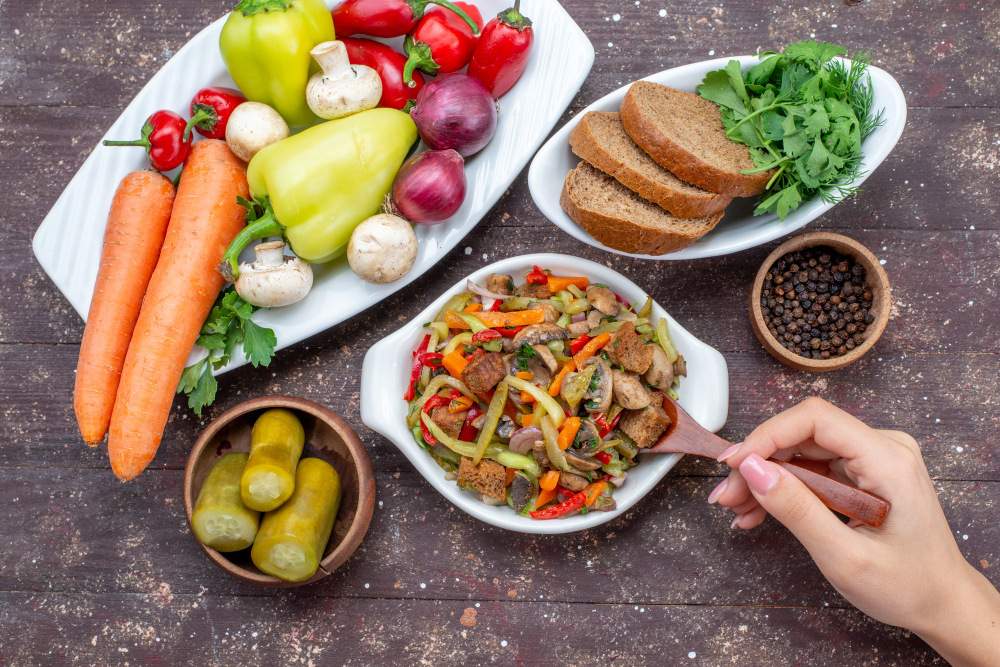
A kidney transplant can change a patient's life and give them a fresh start. But a kidney transplant's success doesn't stop in the operating room. In order to maintain overall health, prevent infections, and ensure long-term kidney health, post-transplant care, particularly food and nutrition, is essential.
Can kidney transplant patients eat tomatoes? is one of the most often asked queries by patients. This is indicative of a wider issue with food safety, balanced nutrition following transplant surgery, and foods high in potassium.
In this thorough guide, we examine the best diet for kidney transplant patients, dispel common food misconceptions, and offer professional dietary advice frequently suggested by our nephrologist at Jaslok Hospital.
Your body goes through major changes following a kidney transplant. Immunosuppressive drugs impact immunity, metabolism, and food absorption in addition to preventing organ rejection. Dietary control is therefore crucial for:
A customized and carefully thought-out diet helps guarantee that the transplanted kidney continues to operate at its best for many years to come.
Yes, kidney transplant patients can eat tomatoes, but moderation and personalized medical advice are essential.
Generally speaking, tomatoes can be a part of a post-transplant diet, but because of their potassium level and, occasionally, early post-operative dietary limitations, their consumption frequently needs to be carefully managed.
Tomatoes are abundant in:
Potassium is necessary for muscle and nerve function, but too much of it can be dangerous, particularly if kidney function changes following a transplant.
When tomatoes are firm, vividly colored (typically red), and devoid of deep bruises, mold, or an unpleasant odor, they are safe to consume.
People with certain medical conditions, especially kidney problems, gastrointestinal disorders, and allergies, should limit their intake of tomatoes.
Based on routine blood tests, patients are frequently advised to gradually reintroduce potassium-rich foods, such as tomatoes.
If, despite taking the above drugs, you have not had a bowel movement in more than 48 hours, you may additionally need to add a bottle of magnesium citrate (10 oz) once daily. Your neighborhood drugstore should have all of these drugs. You can stop using these drugs if you are having regular bowel movements.
Balance, safety, and adequate nutrition are the main goals of a kidney-friendly post-transplant diet.
Sufficient hydration, controlled potassium and phosphorus for stability, reduced sodium to control blood pressure and fluid retention, and high-quality protein for tissue regeneration.
Recovery is maximized by consuming 20–40g of high-quality protein every 3–4 hours or right after exercise.
Protein requirements are increased to assist following transplant surgery:
Lean meats (chicken, turkey, beef), fish (salmon, tuna), eggs, and dairy (Greek yogurt, cottage cheese) are the best sources of protein for growing muscle and general health.
Long-term avoidance of excessive protein, however, is necessary to avoid straining the kidney that was donated.
Prioritize complex, high-fiber carbs, including those found in vegetables, whole grains, and legumes, to get consistent energy without experiencing sudden increases in blood sugar.
Diabetes risk may be elevated by immunosuppressive medications. Select complex carbs such as:
To keep blood sugar levels steady, stay away from refined sugars, sweets, and sugary drinks.
Because they lower bad (LDL) cholesterol, maintain good (HDL) cholesterol, and reduce inflammation, healthy fats mostly unsaturated (mono- and polyunsaturated) fats are crucial for preserving heart health. Olive oil, avocados, almonds, seeds, and fatty fish (high in omega-3s) are important sources.
Patients who have kidney transplants are more likely to develop cardiovascular disease.
Contain:
Steer clear of fried foods, trans fats, and too much butter.
Select fish, poultry, and lean meats. Before cooking, remove any visible fat from the meat. Select dairy products that are either nonfat or low in fat. Select foods high in fiber, such as fresh fruits, vegetables, whole grains, and legumes.
A balanced diet consists of:
Due to reduced immunity, food hygiene is crucial to preventing infections.
Grapefruit, pomegranates, and Seville oranges must be avoided after a kidney transplant because they interfere with immunosuppressive drugs. Avoid raw or undercooked meats, unpasteurized dairy, raw sprouts, high-sodium processed meals, alcohol, and excessive sweets due to a weakened immune system and the requirement for heart and blood pressure health. Consult a renal dietitian and concentrate on eating fresh, completely cooked foods.
Cured meats, canned soups, pizza, deli sandwiches, cheese, and savory snacks (chips, pretzels) are examples of processed or prepared meals that are high in sodium.
An excess of sodium can result in:
Food poisoning symptoms like nausea, diarrhea, and fever can be caused by bacteria like Salmonella, E. coli, and Listeria, which are present in raw and unsanitary foods.
Due to the suppression of immunity:
The majority of nephrologists place a high priority on food safety during the healing process following a transplant.
Dairy products (milk, cheese), almonds, seeds, dry beans, lentils, and chocolate are among the foods high in both potassium and phosphorus that are frequently restricted for chronic kidney disease (CKD).
Depending on lab results, certain foods may need to be restricted:
Once more, each patient is different in this regard.
Transplant recipients typically have greater fluid flexibility than dialysis patients.
Climate, activity levels, and renal function all affect fluid requirements.
Steroid drugs have the potential to boost appetite and cause weight gain.
The burden on the transplanted kidney is lessened by maintaining a healthy weight.
Each kidney transplant patient has different dietary requirements. For this reason, the nephrology hospital uses a multidisciplinary approach to therapy that includes:
Optimal kidney function and enhanced quality of life are guaranteed by a customized nutrition plan.
Your diet changes as your kidney health does.
Related: How to Prepare for a Kidney Transplant Evaluation
Can kidney transplant patients eat tomatoes? Yes, they can be consumed carefully and under medical supervision. A balanced, safe, and nutrient-dense diet is critical for protecting your transplanted kidney and living a healthy life.
Transplant recipients can enjoy a varied diet while preserving long-term kidney function by adhering to dietary recommendations from our nephrologists.
Depending on potassium levels and medical advice, tomatoes can be consumed in moderation.
Indeed, nutritional control is crucial throughout the remainder of one's life, even though limitations may eventually loosen.
Expert advice from the best nephrologist doctor in Mumbai guarantees safe and efficient food choices because nutritional requirements differ.